


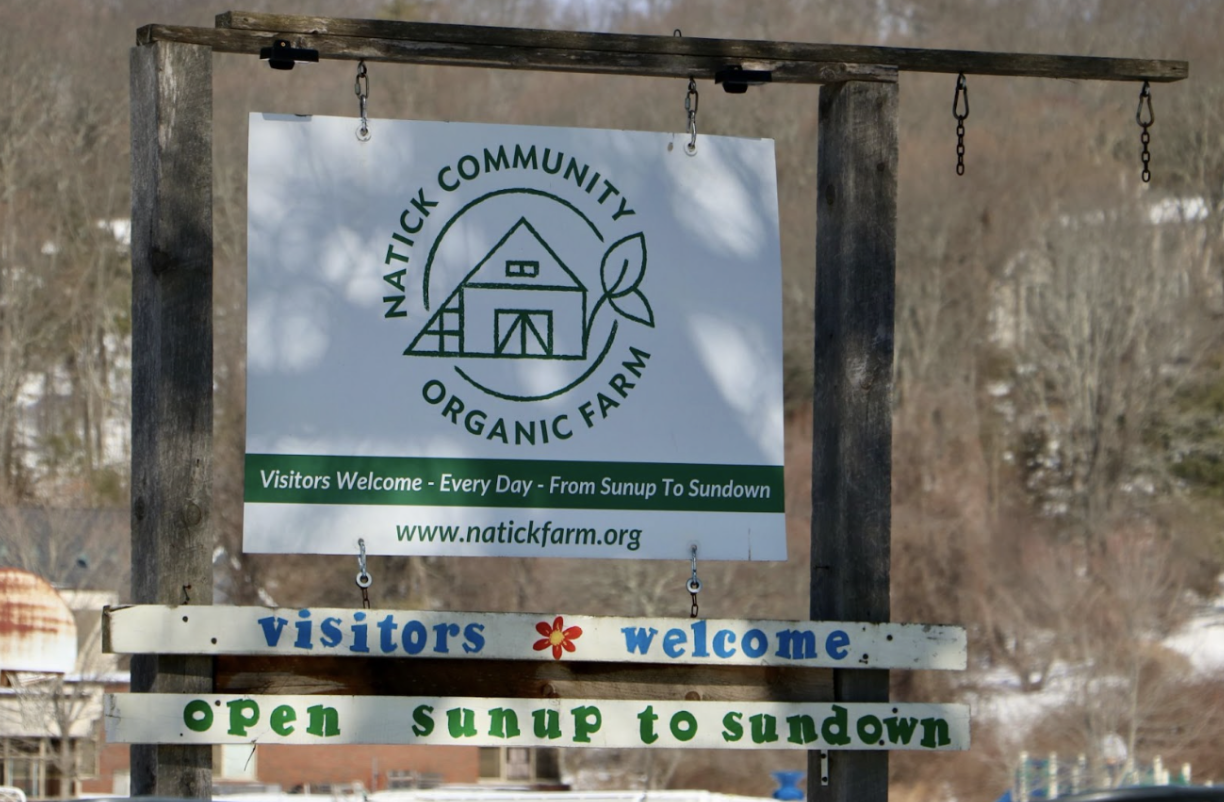
From maple sugaring in winter to Farm Fest in spring, there is something to see, do and learn all season long at Natick Community Organic Farm (NCOF). Located at 117 Eliot St. in Natick, the farm is family-friendly and open to the public, with a mission of educating the community about farm work, wildlife and the origins of maple syrup.
As spring approaches, some families in the community may be looking for activities to do with their children. NCOF offers tours and activities for families to enjoy in both warm and cold weather.
“I’m so happy I get to [do] this,” an anonymous worker said. “It’s totally my happy place.”
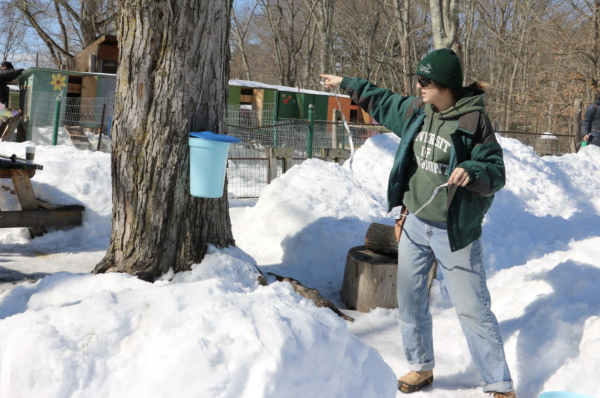
NCOF offers a maple sugaring tour where visitors learn how the farm taps its maple trees and produces maple syrup. The tours also teach visitors how Native Americans made maple syrup without the technology used today. During tours, an NCOF guide will hold up a flexible measuring tape to show visitors how the farm can estimate a tree’s age without cutting it down and counting its rings. According to an NCOF employee, a maple tree must be at least 40 years old, with a circumference of 31 inches and a diameter of 10 inches, before it can be tapped for sap.
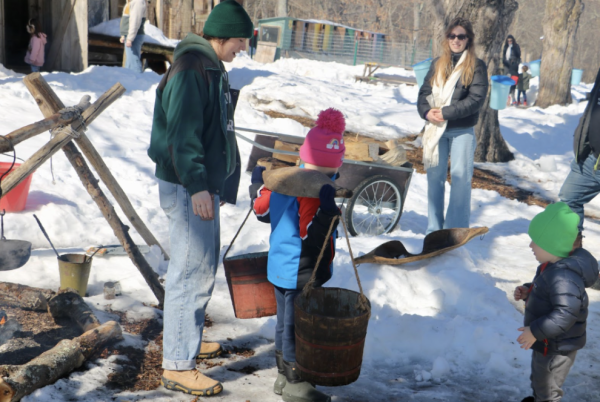
During the maple sugaring tour, guides give visitors the opportunity to try on a neck yoke. According to an NCOF employee, a neck yoke is a wooden tool Native Americans used to carry two buckets of raw maple sap or water.
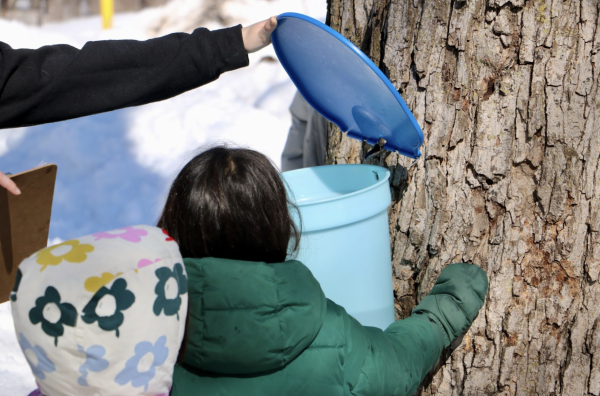
NCOF offers several hands-on activities for families of all ages. During the tree-tapping process, children are encouraged to look at and taste the sap. The sap is collected in blue buckets hung on about 600 trees. NCOF taps trees on its own property, at Elm Bank and on other private properties.
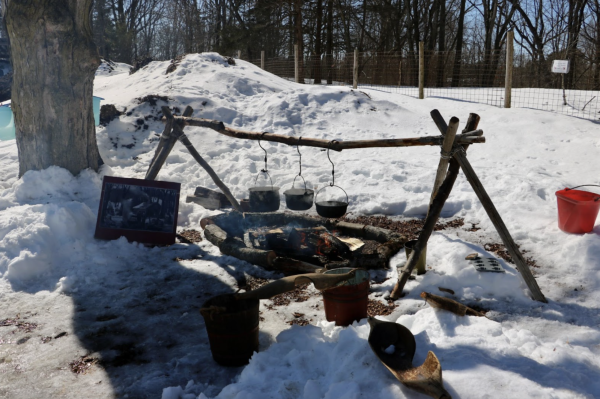
In a demonstration of traditional Native American methods, NCOF shows how sap was boiled to make it sweeter and more like the maple syrup used today. The sap is poured into buckets and boiled over a fire until it becomes syrup.
NCOF also has a Sugar Shack that shows the modern maple syrup-making process. Open from early February to mid-March, the Sugar Shack is where the farm produces all of its maple syrup for the season. This year, the farm aims to make 100 gallons of maple syrup.
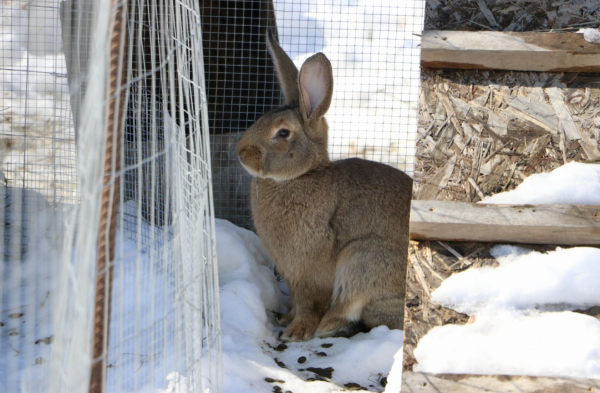
At NCOF, the animals are outside year-round. The farm is home to a variety of animals, including sheep, pigs, rabbits, ducks, chickens, roosters, turkeys and goats. In addition to the farm animals, wildlife such as reptiles, amphibians, fish and birds can also be found around the property. The farm animals remain out until about 4 p.m..
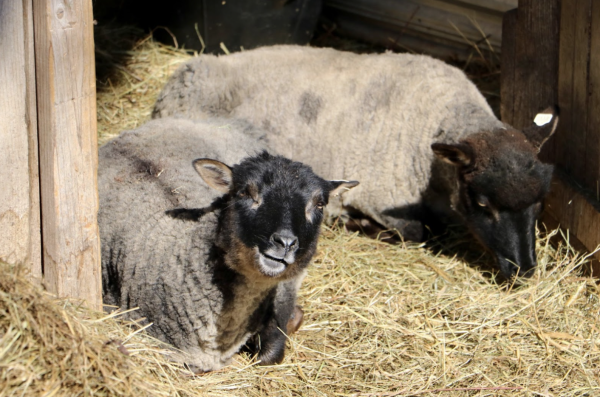
Although visitors are not allowed to pet or touch the animals, they are encouraged to take photos of any they find interesting and share them with the farm. In addition to the maple sugaring tour, the farm also offers regular guided tours that give visitors a behind-the-scenes look at NCOF.
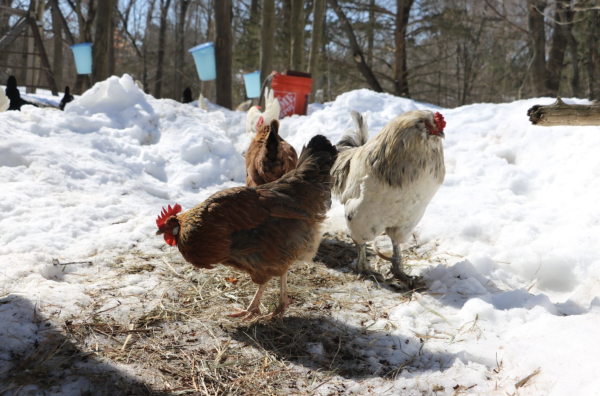
At NCOF, chickens, ducks, roosters and turkeys have both indoor and outdoor coops. Visitors can view the animals through a screened door or from outside the coop through a fence around the perimeter.
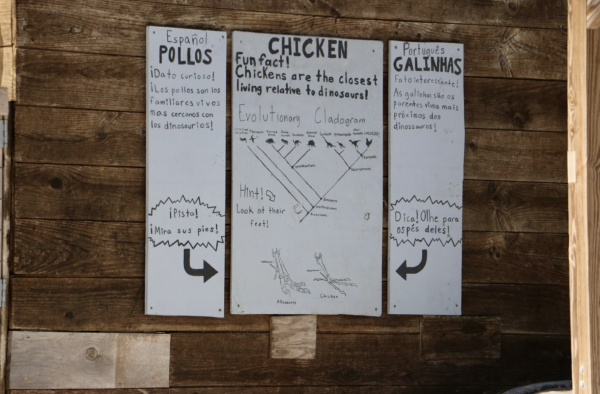
At NCOF, each animal has its own designated area. Signs posted throughout the farm provide visitors with more information about the animals and other attractions. Some signs include translations in Spanish to make the information more accessible to a wider range of visitors.