![Wayland Historical Society Executive Director Scarlett Hoey explains the history of the Cochituate Gatehouse.
"The exterior is still a nice monument to remember buildings [involved in] water history," Hoey said. "We all drink lots of water, and it's such an important resource that we kind of take for granted nowadays."](https://waylandstudentpress.com/wp-content/uploads/2026/06/IMG_2024-1200x800.jpg)


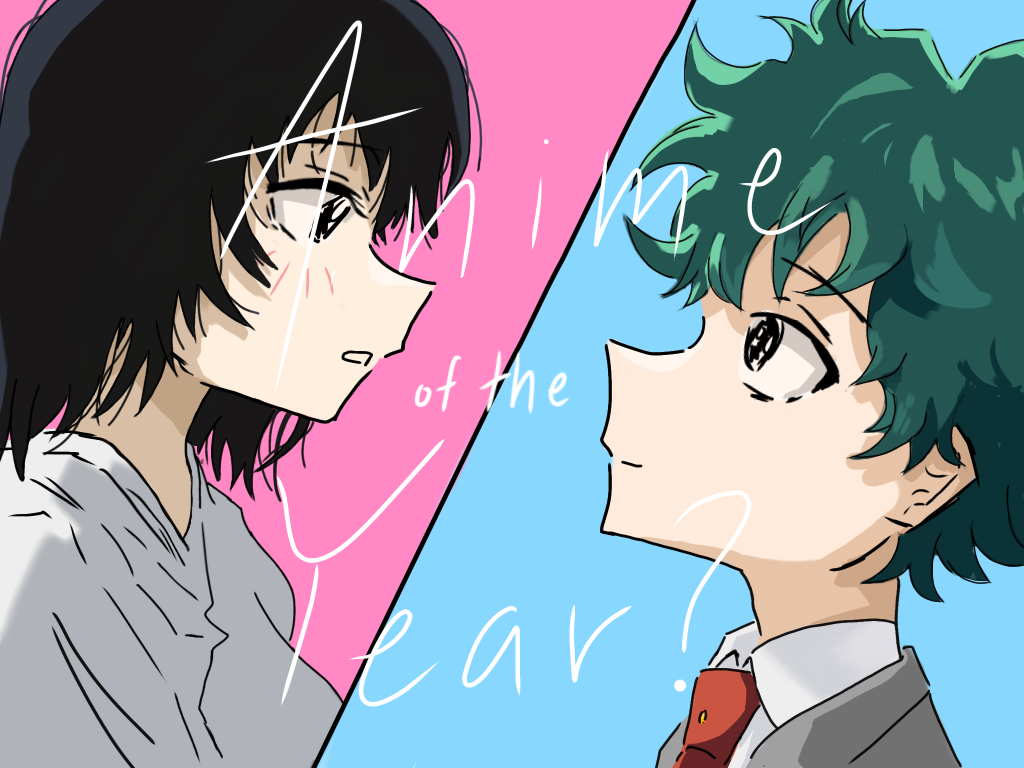





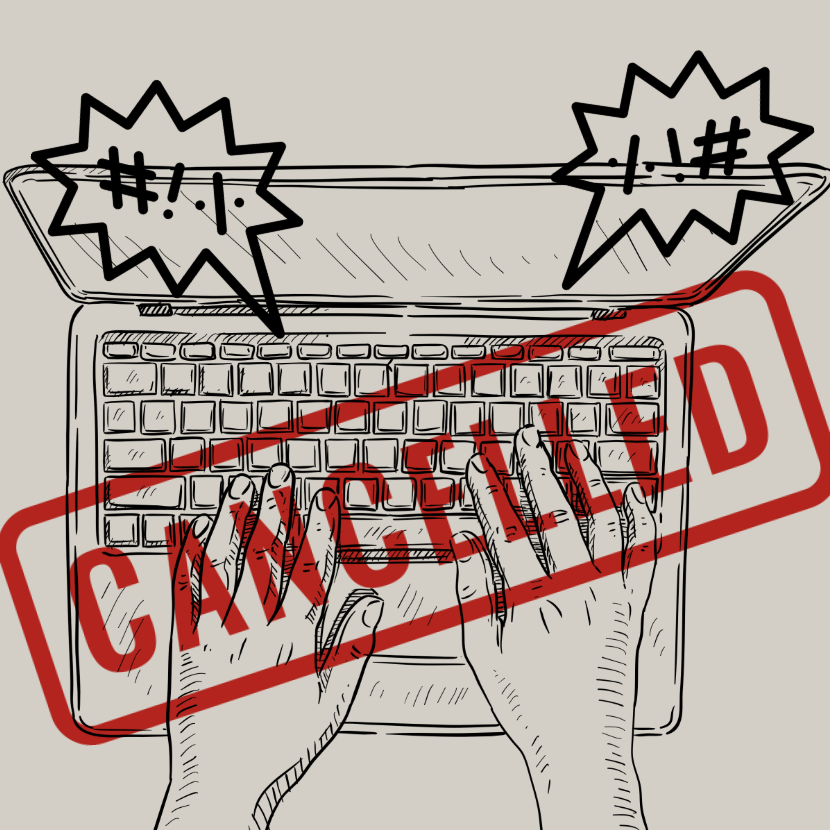
In 2026, saying the wrong thing online can feel like admitting to a crime. One bad joke that lands the wrong way? Canceled, just like that. We’ve reached an era where people are walking through a minefield. People are self-censoring, avoiding posting and hiding parts of themselves. Everyone fears judgment. That’s human nature. But has it always been a matter of sensitivity, or are people becoming more close-minded?
“Cancel culture,” a term that first gained traction around 2016, refers to a kind of callout culture in which individuals or groups publicly denounce and campaign against a target, whether a person, organization or idea, usually through social media. Platforms like X, Instagram and TikTok can turn one small mistake into a huge controversy, with comment sections that seem to never sleep.
Cancel culture has gone too far. One small mistake can result in someone being put on trial by the entire internet. Social media has a way of blowing little things out of proportion. Instead of asking questions or giving someone a chance to explain, people online often take things out of context and jump straight to conclusions.
One example is Charli D’Amelio, a social media star who received heavy backlash over a video her family posted. The internet accused her and her sister of being rude and called her “entitled” for complaining that she had not yet reached 100 million followers on TikTok. In the end, she lost a huge portion of her following. Looking back on the video, was it really such a horrible offense? Was it really necessary to turn it into a major controversy? Sure, she sounded ungrateful, but we must be realistic. Hasn’t everyone acted a ungrateful at least once before? Are we all suddenly perfect?
Cancel culture is the reason people have become so accustomed to self-censoring and hiding their opinions. The internet has a reputation for jumping at your throat the moment you make the slightest mistake, so simply hitting the post button can feel like volunteering to be the internet’s next punching bag.
The backlash is fierce and unpredictable. If your post is considered offensive, insensitive or even just “problematic,” you can be subjected to public shaming and harassment. Your post may be viewed, screenshotted and shared by millions before you even have time to explain yourself. That is a lot of pressure for one person simply sharing thoughts and opinions that may or may not align with the majority.
Cancel culture has become way too extreme because it does not just hold people accountable. It treats people’s opinions like crimes against humanity. And, if we’re being honest, living in constant fear of being “canceled” makes the internet boring. People need to lighten up a little. It would not hurt to actually listen to different opinions instead of canceling anyone who does not conform to the copy-and-paste views spread online. People need to learn to explore ideas outside of what they want to see.
When everyone is being canceled and shamed for having different opinions, the internet stops being a place of realness, boldness and creativity and becomes duller and more watered down. If people are overthinking every post, tweet or comment, they will only share what they think the internet will deem “acceptable.” Being scared to make a joke or share a “hot take,” which is inherently meant to be controversial and provocative, means people start tiptoeing around every word. The result? Bold ideas get buried, healthy debate disappears and creativity dies.
Cancel culture, however, was not always feared. At one point, it was a tool that helped shine a spotlight on offensive actions and pushed people to take accountability for harmful behavior. It forced people to face the consequences of their actions instead of moving on as if nothing had happened. That kind of pressure could push public figures to apologize, learn and change what they were doing wrong.
Take James Charles, for example, who seemed to think fame came with a free pass. He was largely canceled over allegations of grooming and sending sexually explicit messages to underage fans. As a result, he faced immense backlash and lost millions of followers in a short period of time. The public response showed that even huge internet stars were not immune from consequences when faced with serious allegations. Cases like this showed that when someone does something harmful, people can speak up and raise awareness so others think twice about their actions online.
Online spaces used to be funny, messy and full of random people sharing ridiculously infuriating but hilarious opinions you could not look away from. The fear of backlash not only makes people cautious, but also discourages experimentation. People are less likely to speak their minds for fear of being misunderstood or put under fire. So now, instead of exciting discussions and creative risks, we are left with filtered “safety,” which, honestly, makes scrolling a whole lot more boring.
So the next time you see someone making a big deal out of the smallest thing, maybe it is best to just let it go instead of making it worse. At the end of the day, people should be able to think for themselves and express themselves. The internet does not need more outrage. It needs more people willing to hear opinions they do not agree with.