![Wayland Historical Society Executive Director Scarlett Hoey explains the history of the Cochituate Gatehouse.
"The exterior is still a nice monument to remember buildings [involved in] water history," Hoey said. "We all drink lots of water, and it's such an important resource that we kind of take for granted nowadays."](https://waylandstudentpress.com/wp-content/uploads/2026/06/IMG_2024-1200x800.jpg)

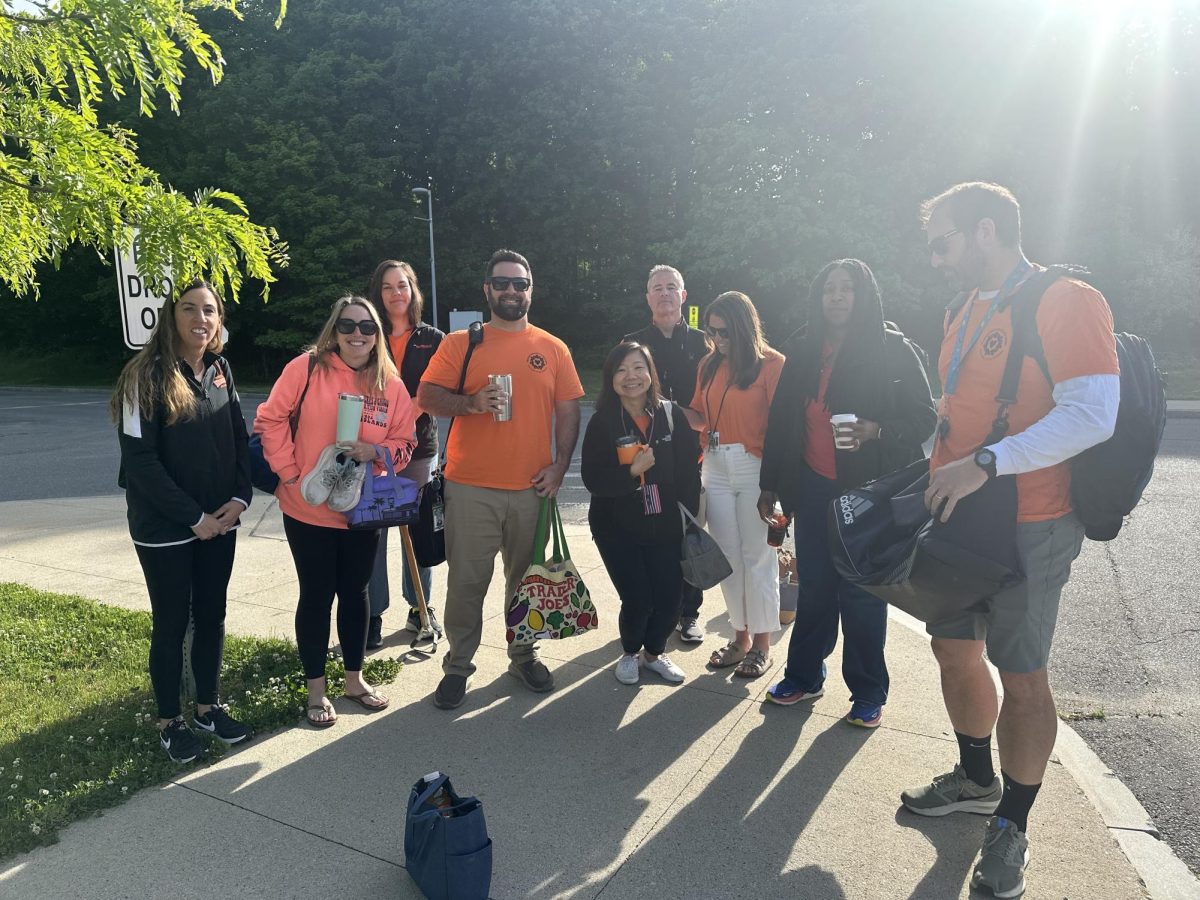
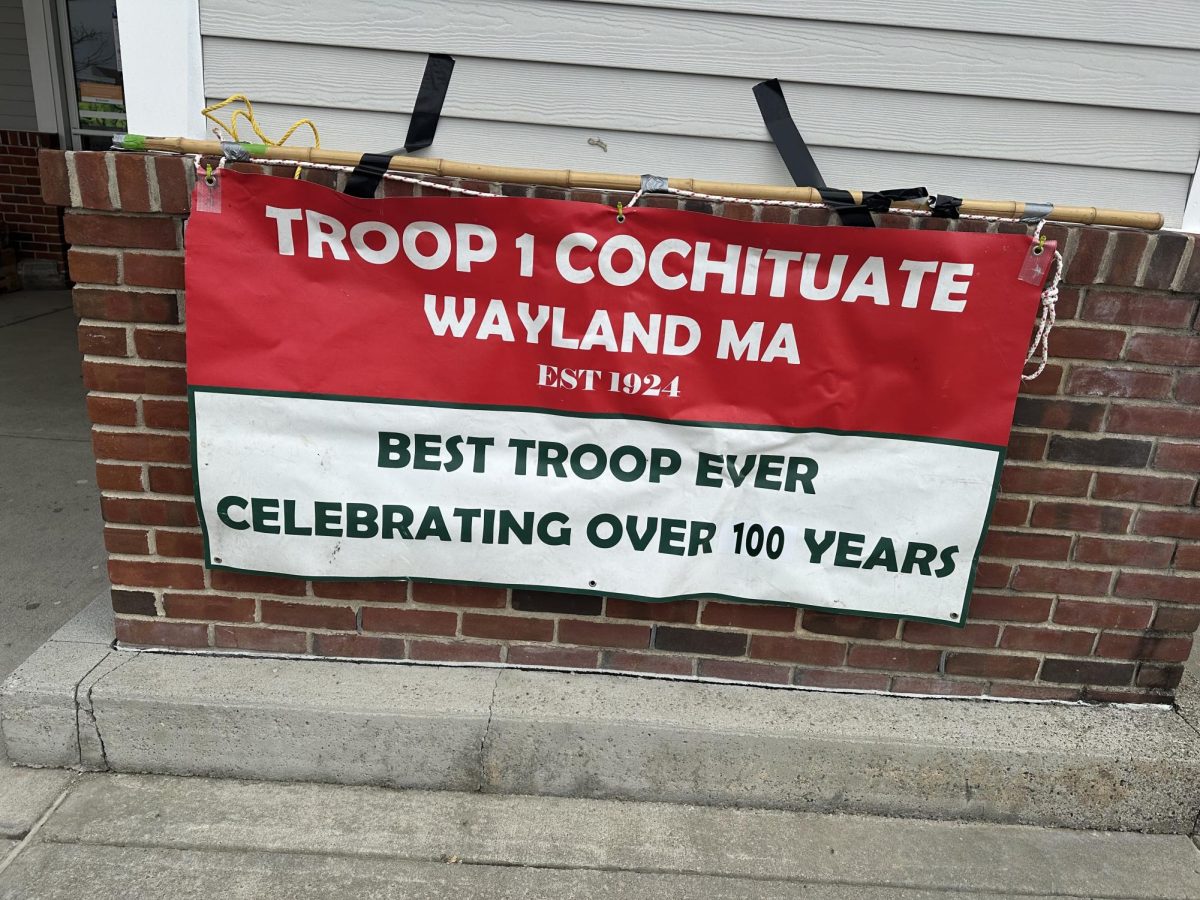

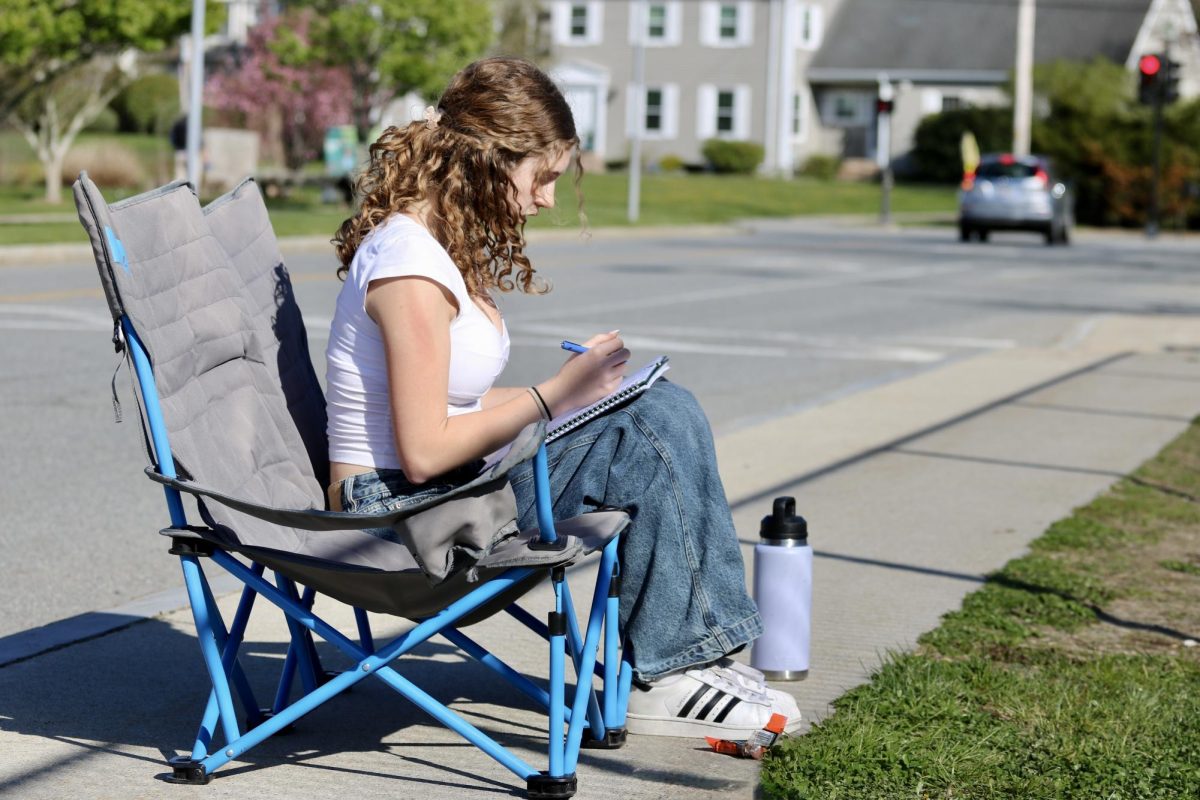




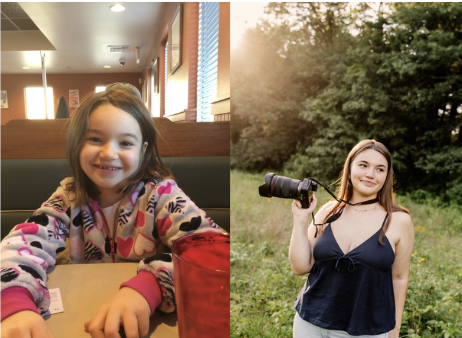
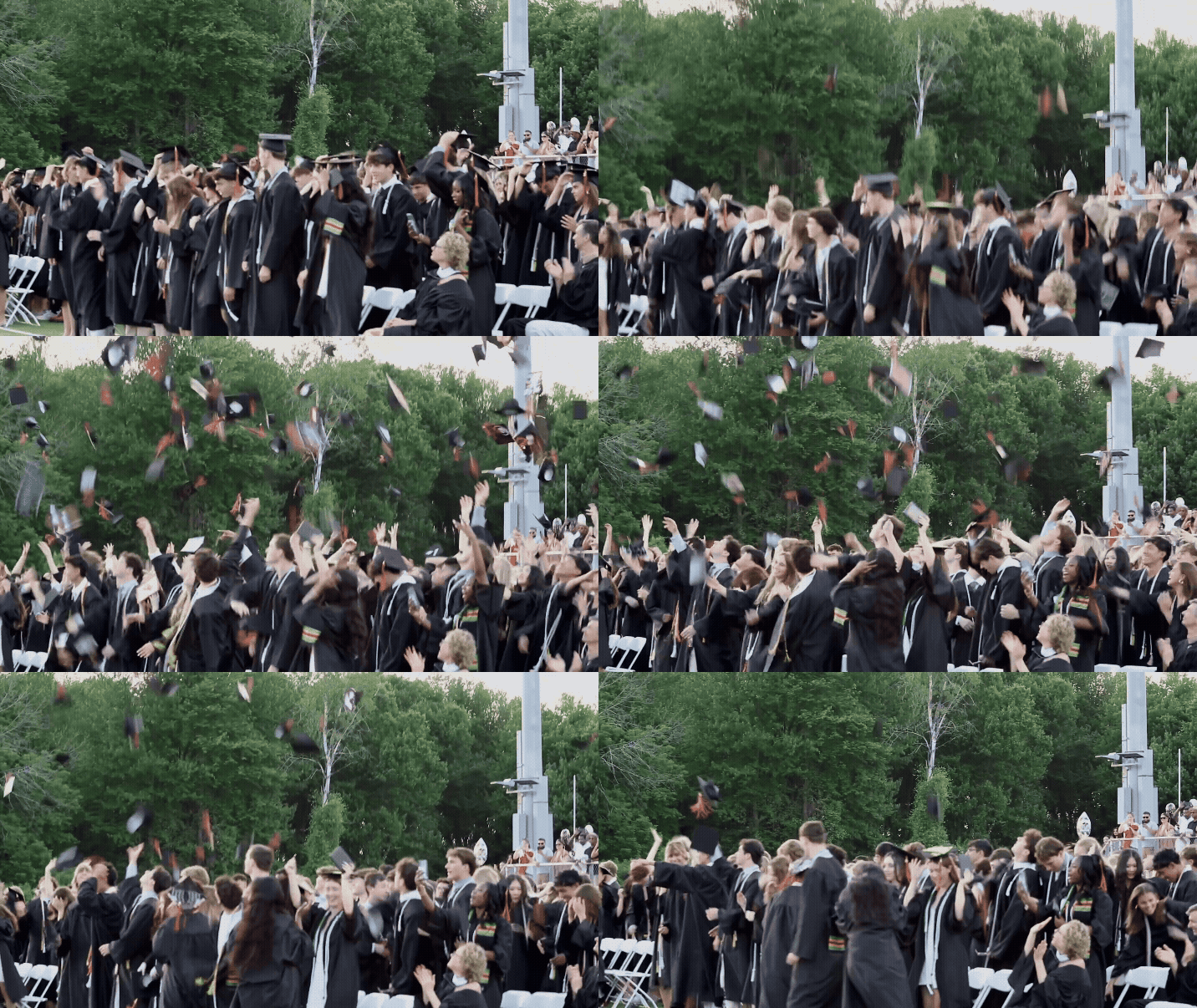
I walked into journalism class sophomore year feeling unsure of myself. I didn’t know any of the terms or techniques, or even how to hold a camera without feeling clumsy. I was starting from the bottom while everyone else seemed to be at the top. Even that chest-closing feeling, in a weird way, felt almost freeing, because I had nothing to lose and could take as many risks as possible.
At first, it was terrifying. Raising my hand during class when I wasn’t 100% confident in my answer, volunteering for articles as a junior reporter even though I never really knew how to write one or even picking up a camera without knowing what any of the buttons did. I made mistakes, took terrible photos and probably asked questions that sounded stupid. But with every stumble, I grew, and every mistake became a lesson I hold close to my heart through everything in life.
Journalism taught me more than how to write an article. It taught me how to connect with people and build relationships in my community. Before this class, I hesitated to speak or approach anyone. But journalism pushed me to step forward, to speak, to listen and to care about the stories shaping our town.
I learned how to make strangers trust me, how to sit with discomfort, ask the hardest questions and accept answers I wasn’t expecting. But in doing all of this, I learned something about myself: I could be brave and social, and I could build connections that mattered more than I ever would have guessed.
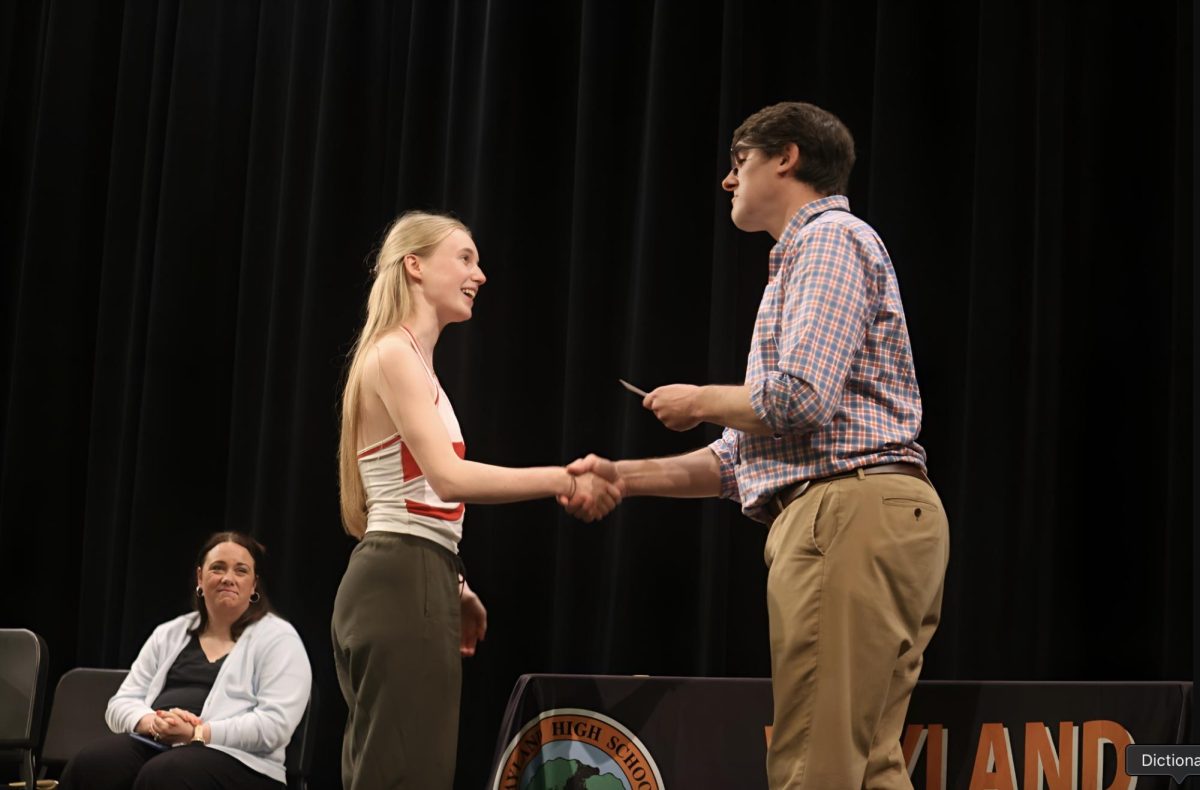
Junior year is when everything really clicked for me. I pushed harder, taking on bigger stories, staying later to capture the perfect shot and challenging myself academically and socially in ways I never would have imagined possible. That was also the year I won my first Best of SNO award. But to me, it wasn’t just an award. It was proof that all the risks, hard work, awkward interview moments and late nights had paid off. That recognition gave me more than validation. It gave me a sense of purpose.
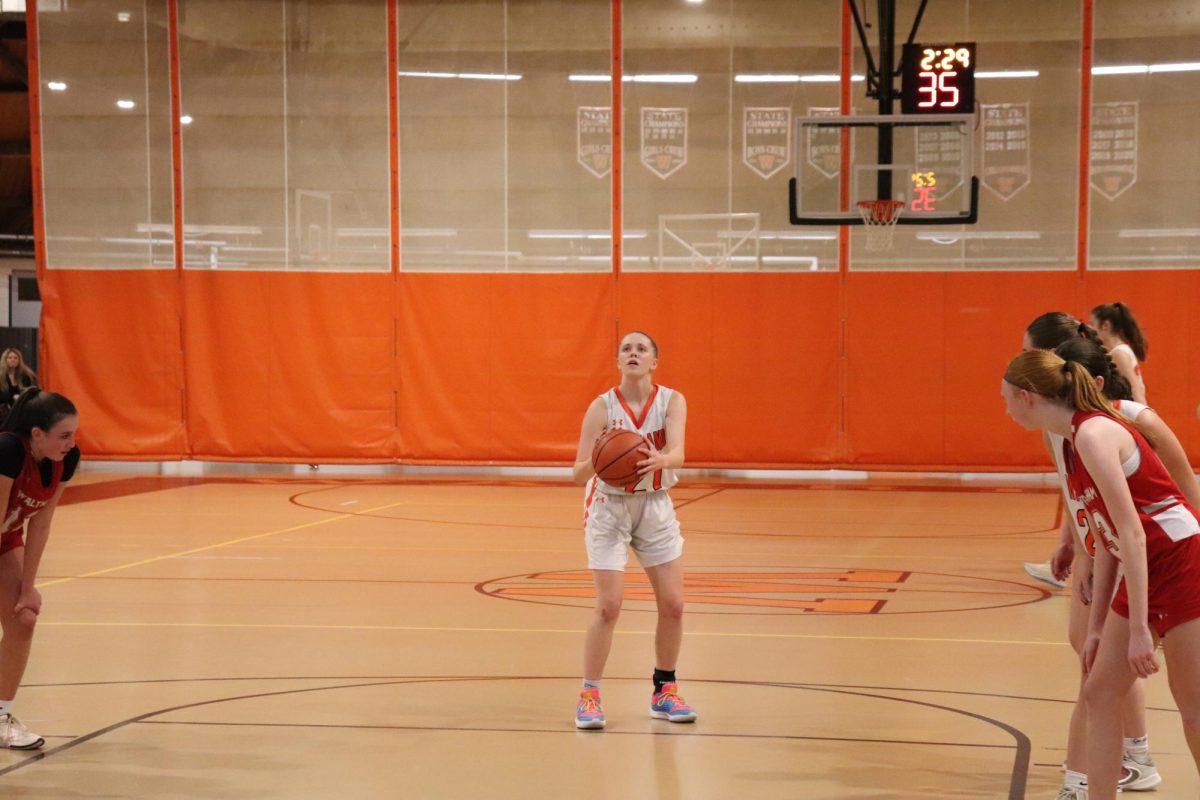
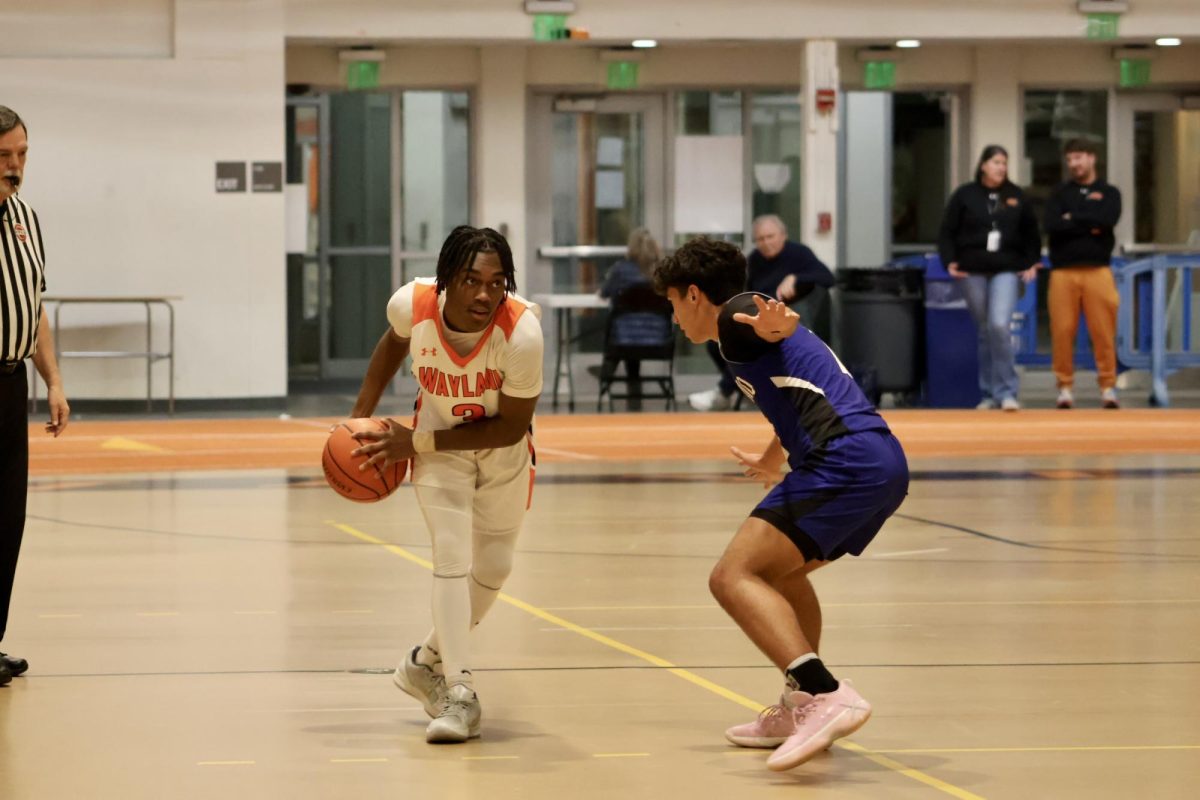
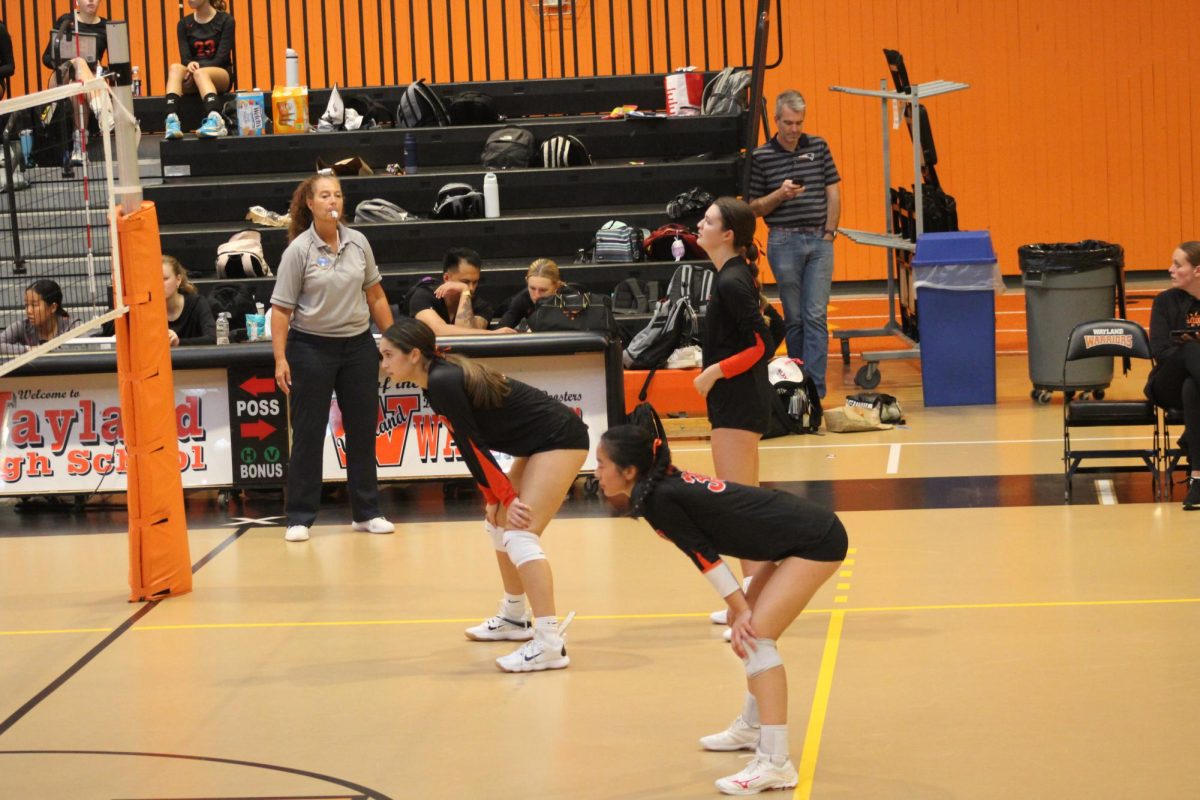
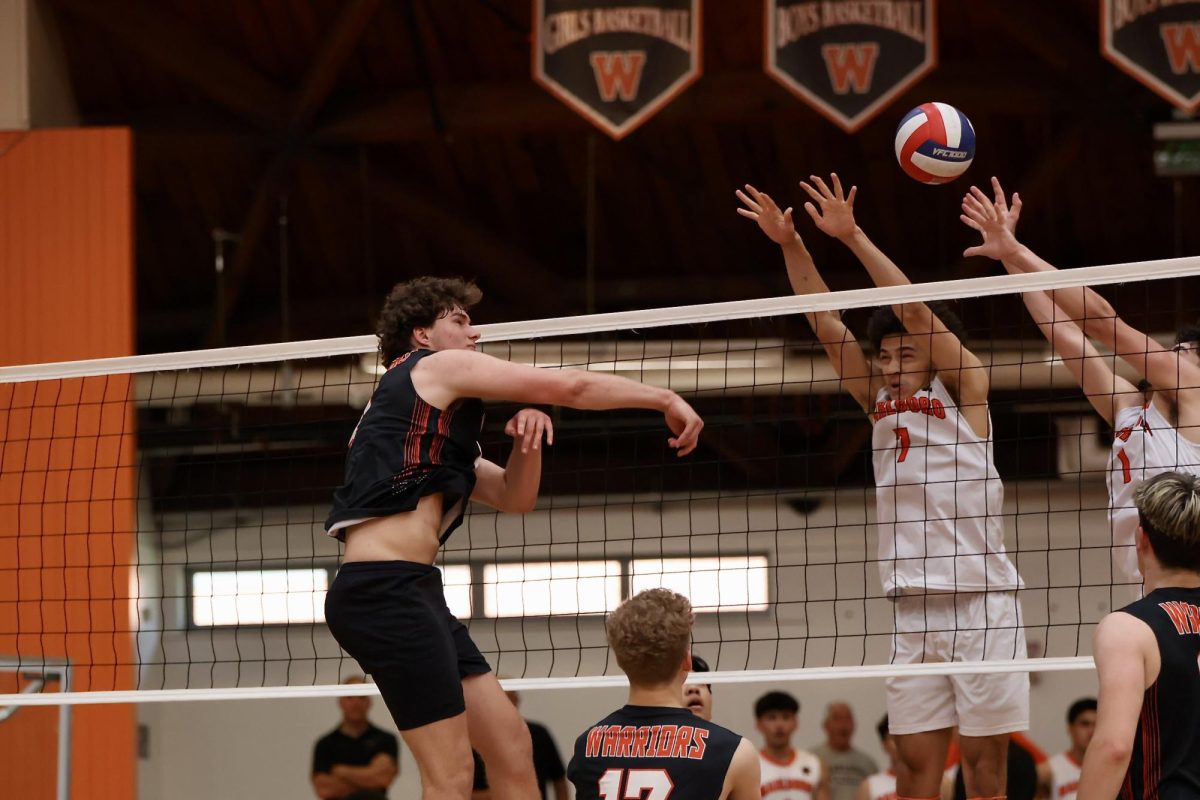
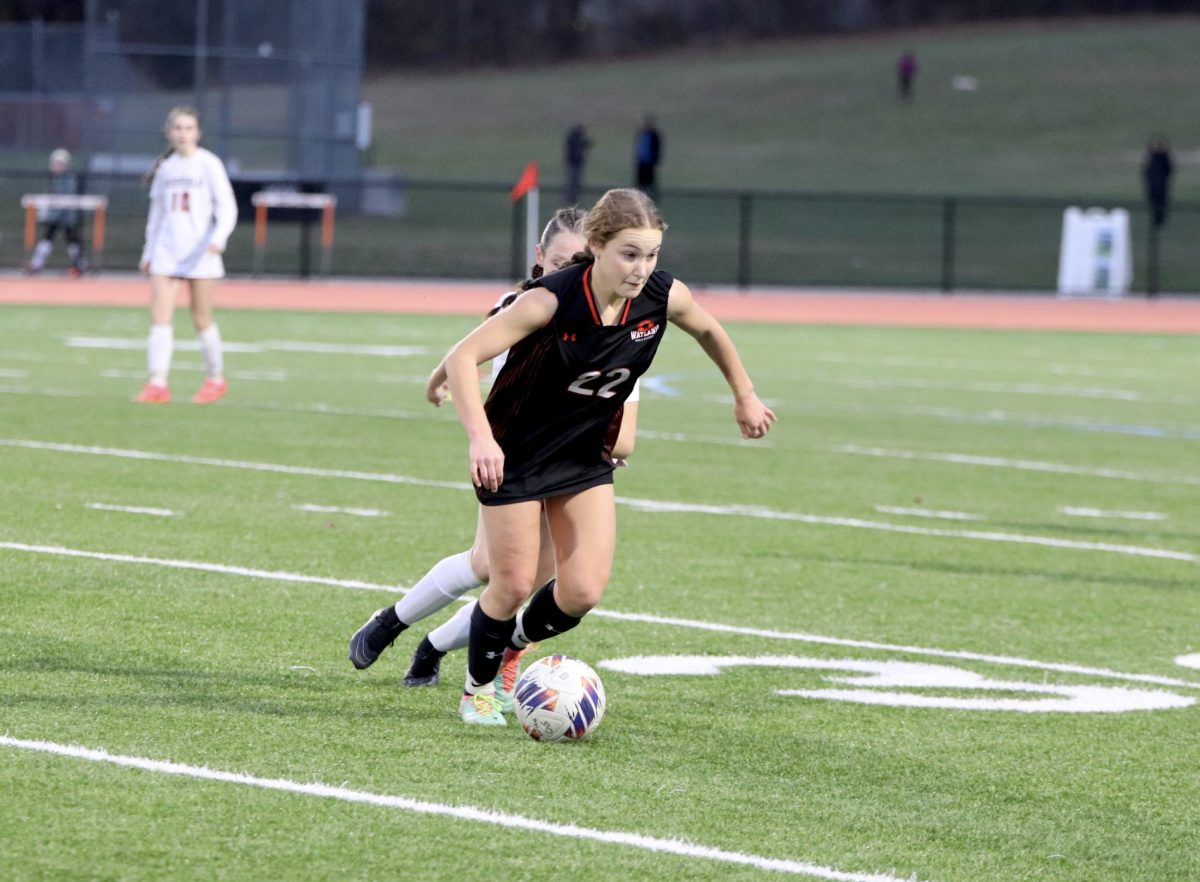
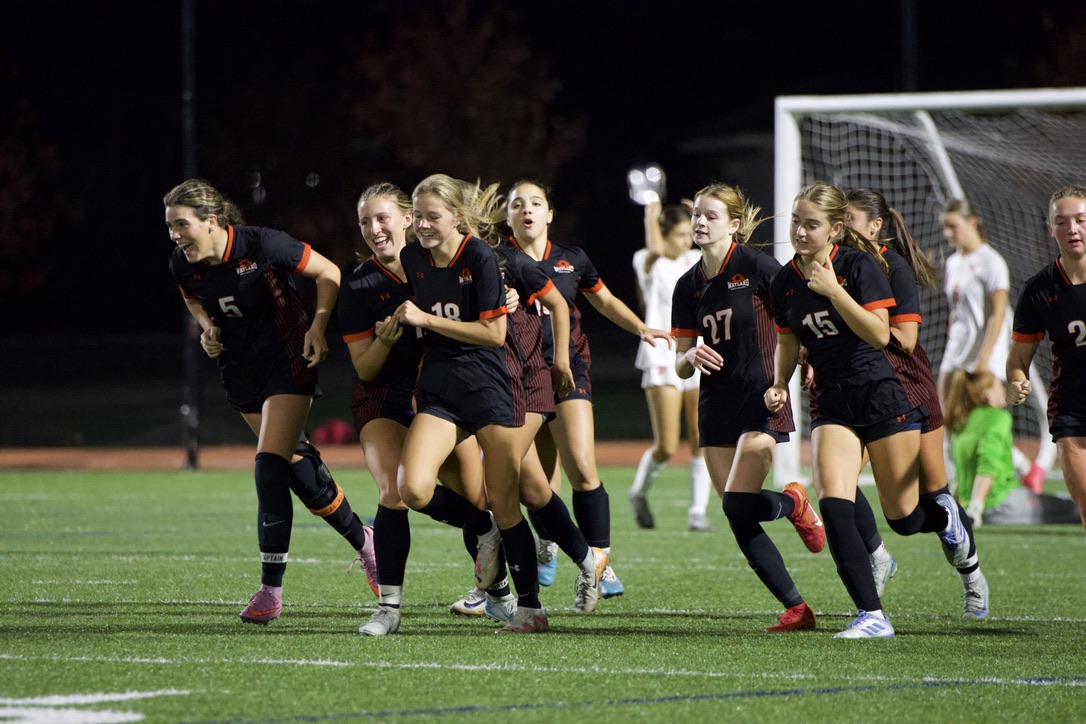
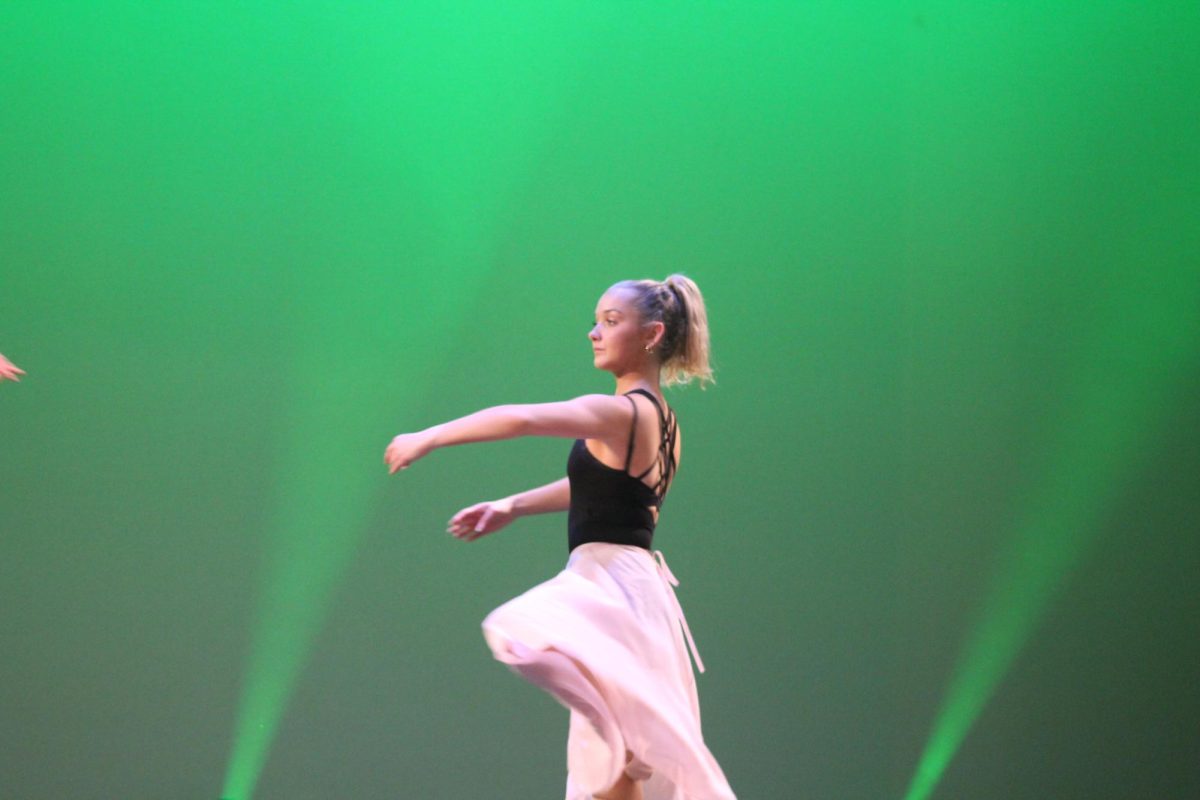
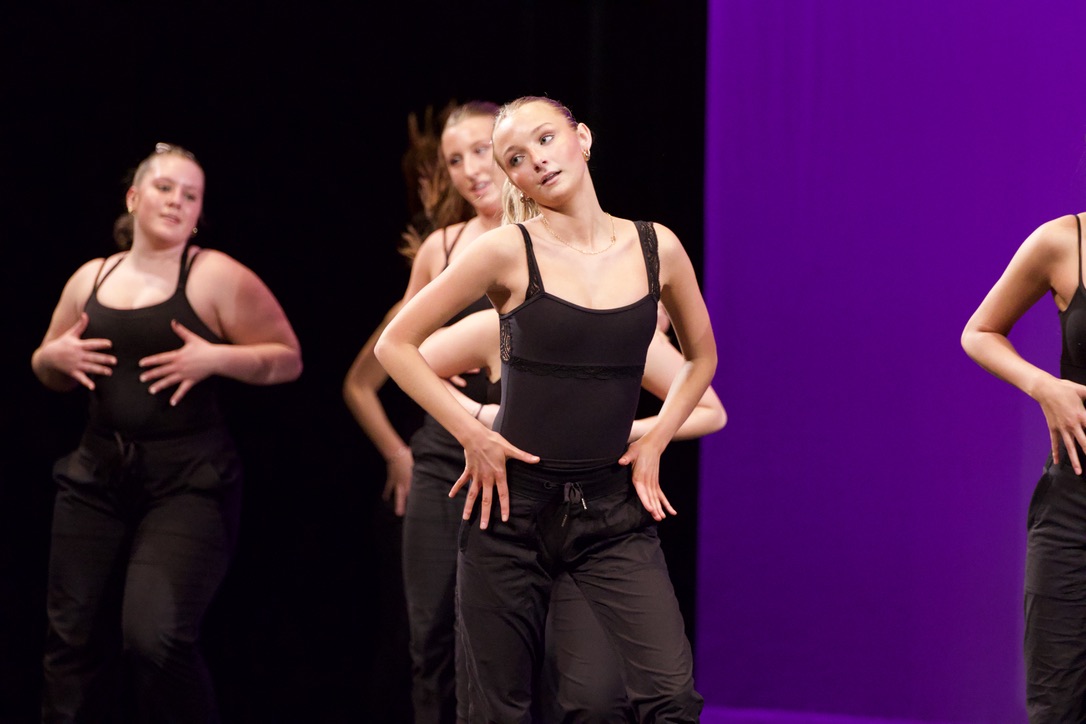
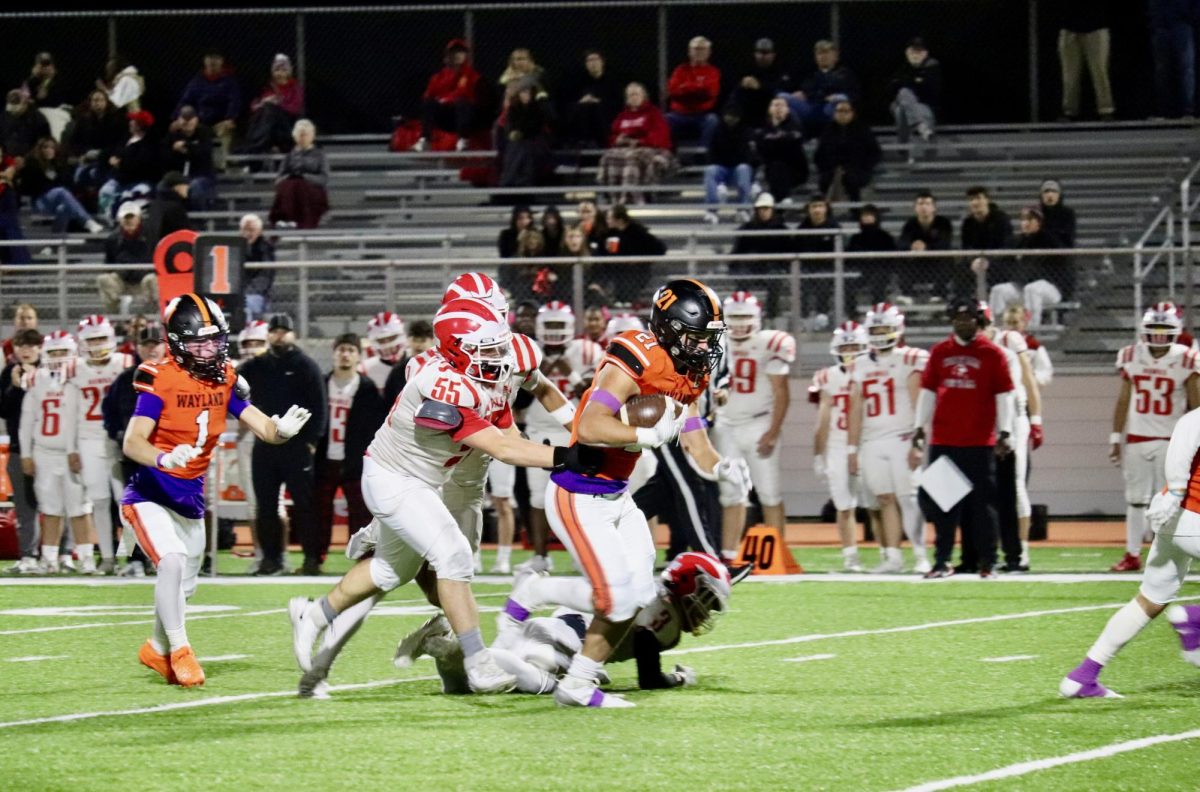
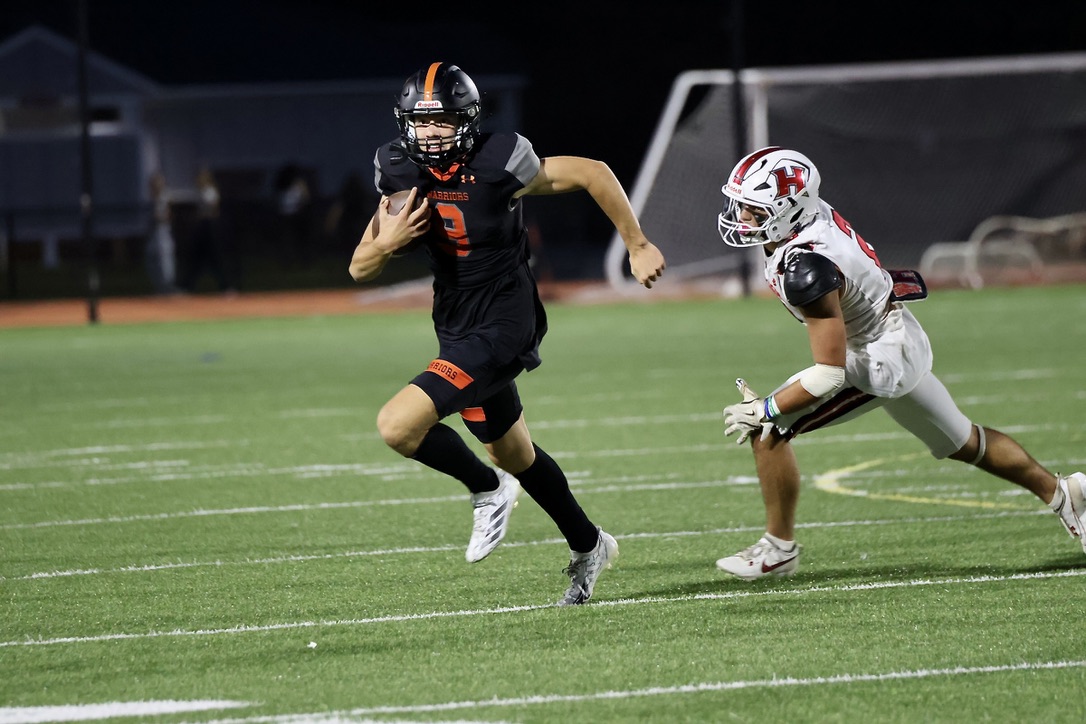
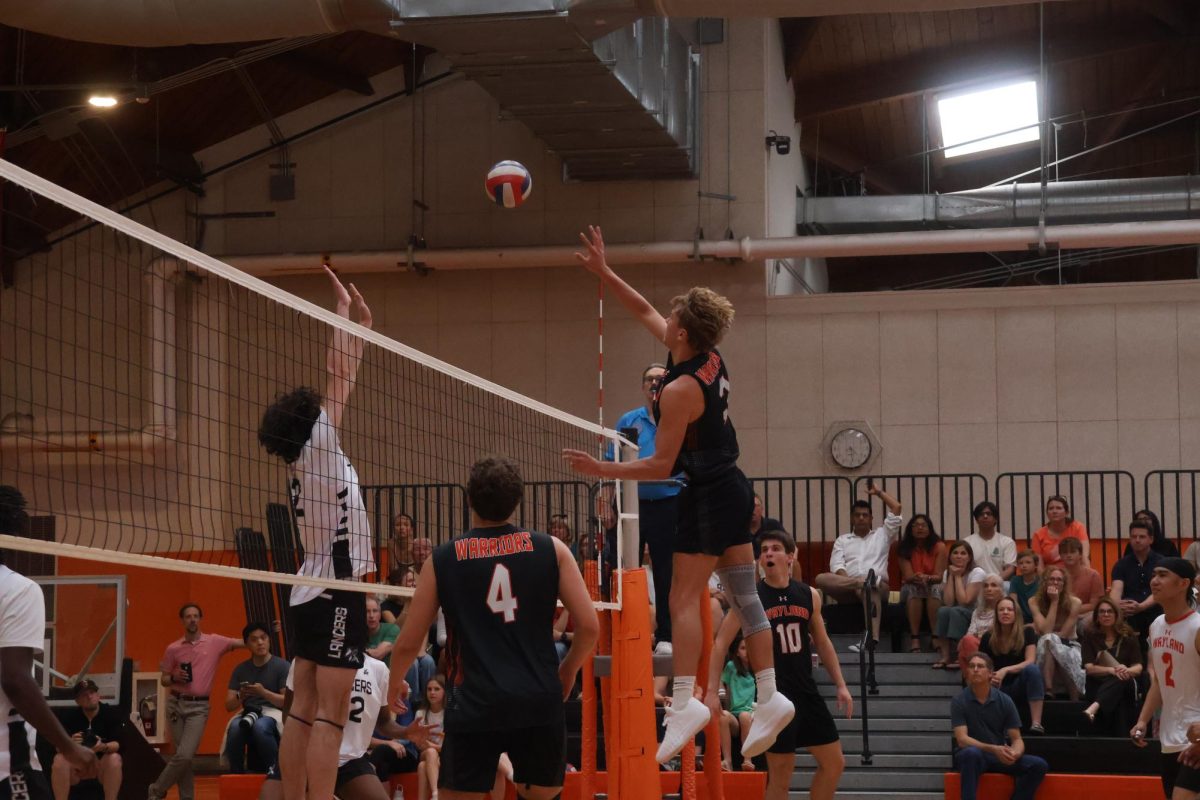
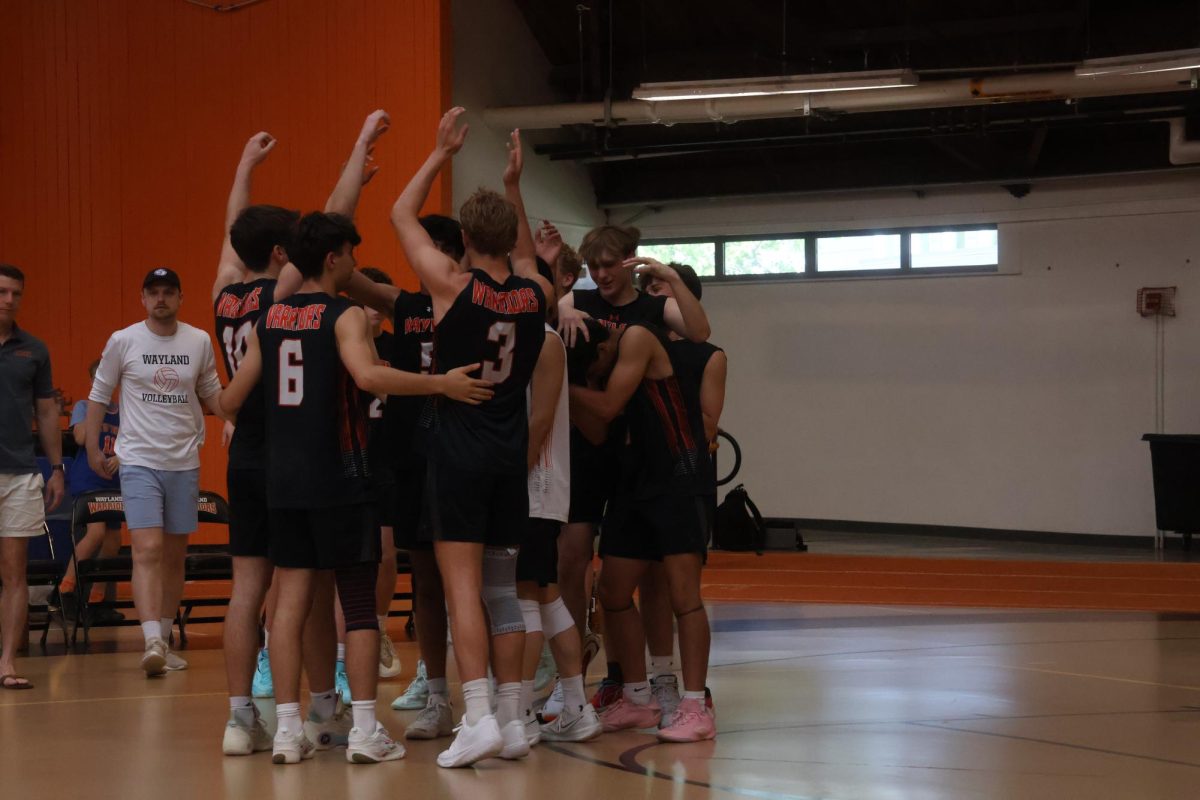
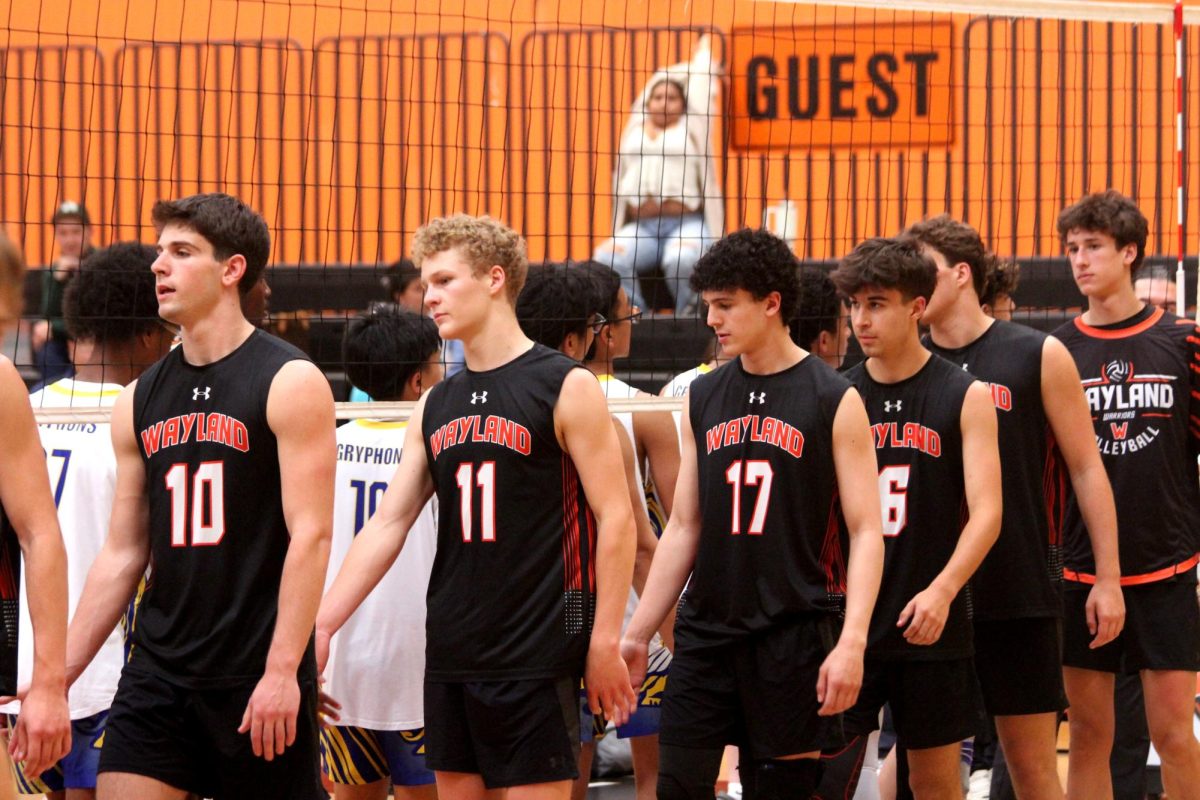
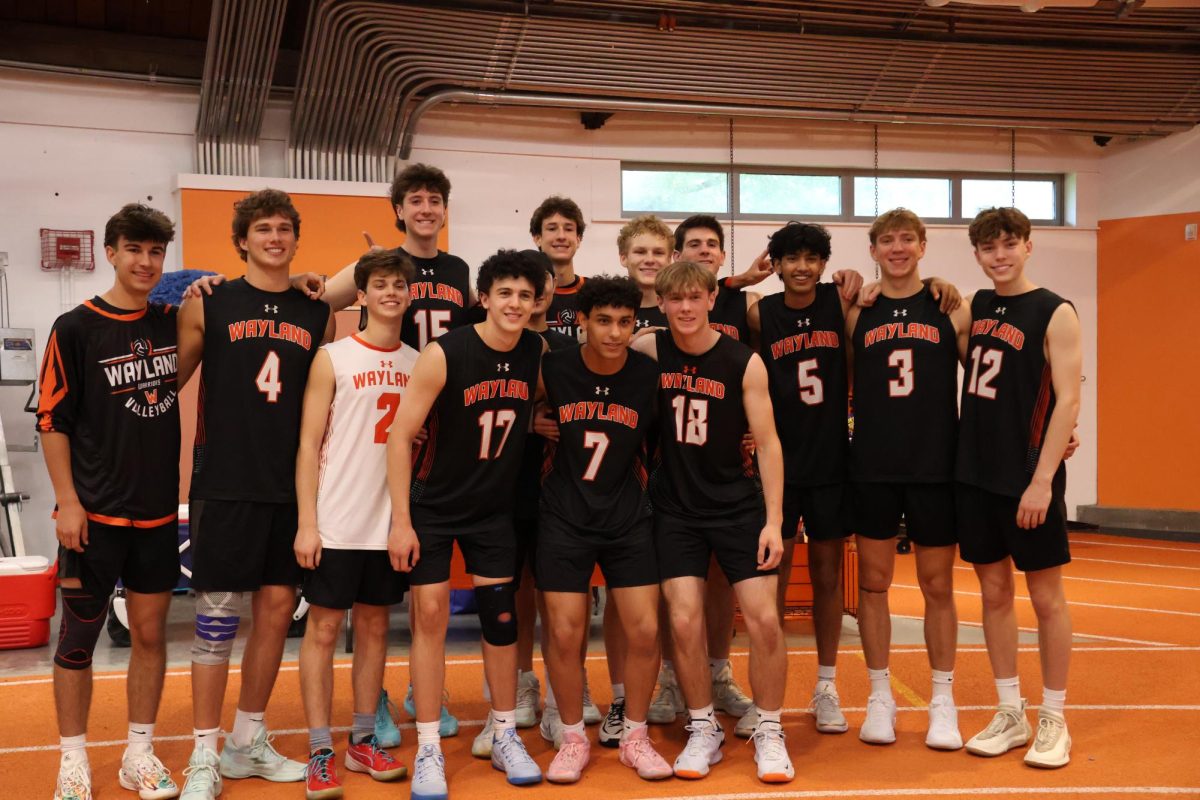
Through photography, I began to see the world around me differently. Moments that might have seemed ordinary to others felt significant to me. The way an athlete’s determination lit up their face in the middle of a game, the split second that decided the outcome or even the quiet moments that revealed so much about teamwork, struggle and triumph.
Journalism made me slow down, pay attention to the small things in life and see the world with more care, curiosity and trust in others. Because of all of this, I was able to build a connection with The Boston Globe that pushed me even further. It made everything feel larger than school assignments. I realized journalism isn’t just a class. It’s a way of understanding the world and shaping it. It gave me the chance to explore, learn, create and grow, and to see how far I had come from the timid sophomore who didn’t know where to start.
This class didn’t just teach me how to write or take photos. It showed me a different version of myself. It made me more confident, more social and more willing to step into the unknown. It showed me that I had a voice that mattered and that some of the biggest growth comes from the unexpected moments that intimidate us most.
For anyone thinking about taking journalism, I can’t recommend it enough. It will challenge you in ways you never would have imagined, frustrate you and push you beyond what you thought you were capable of. It will show you a version of yourself you may not have expected to find. For me, it has been a life-changing experience, and I can’t wait to continue it in college.
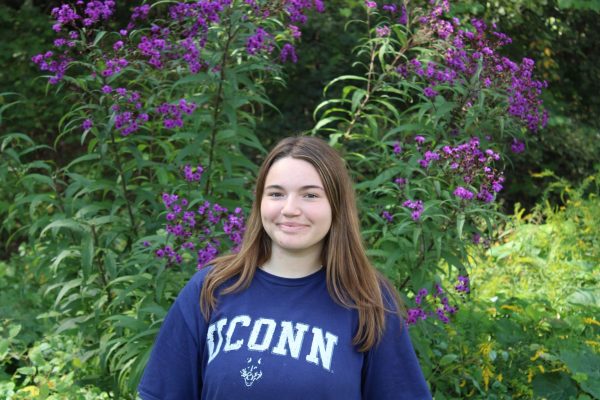
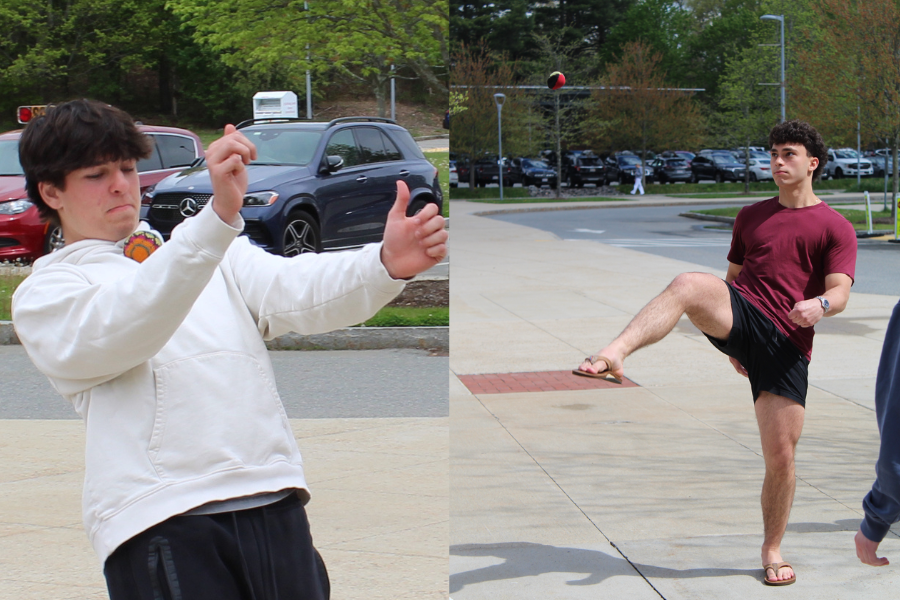
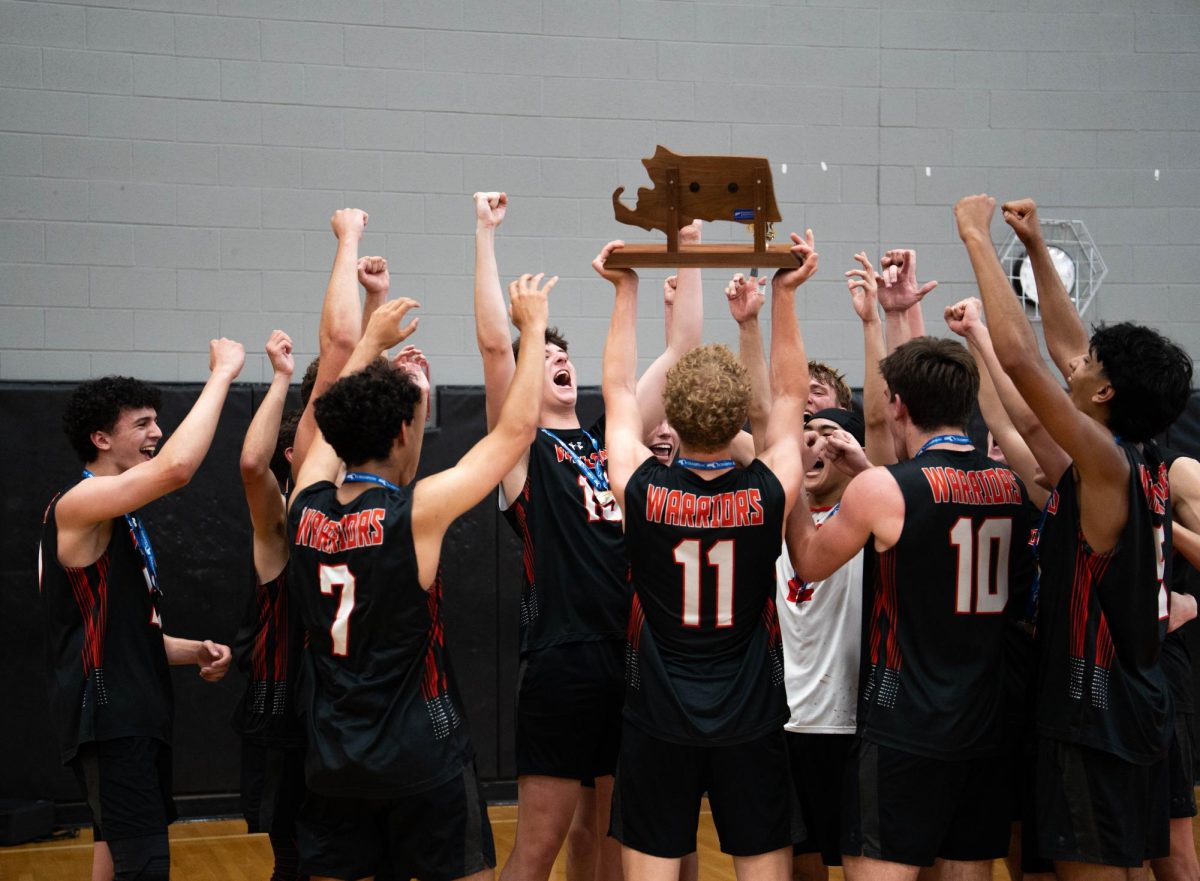
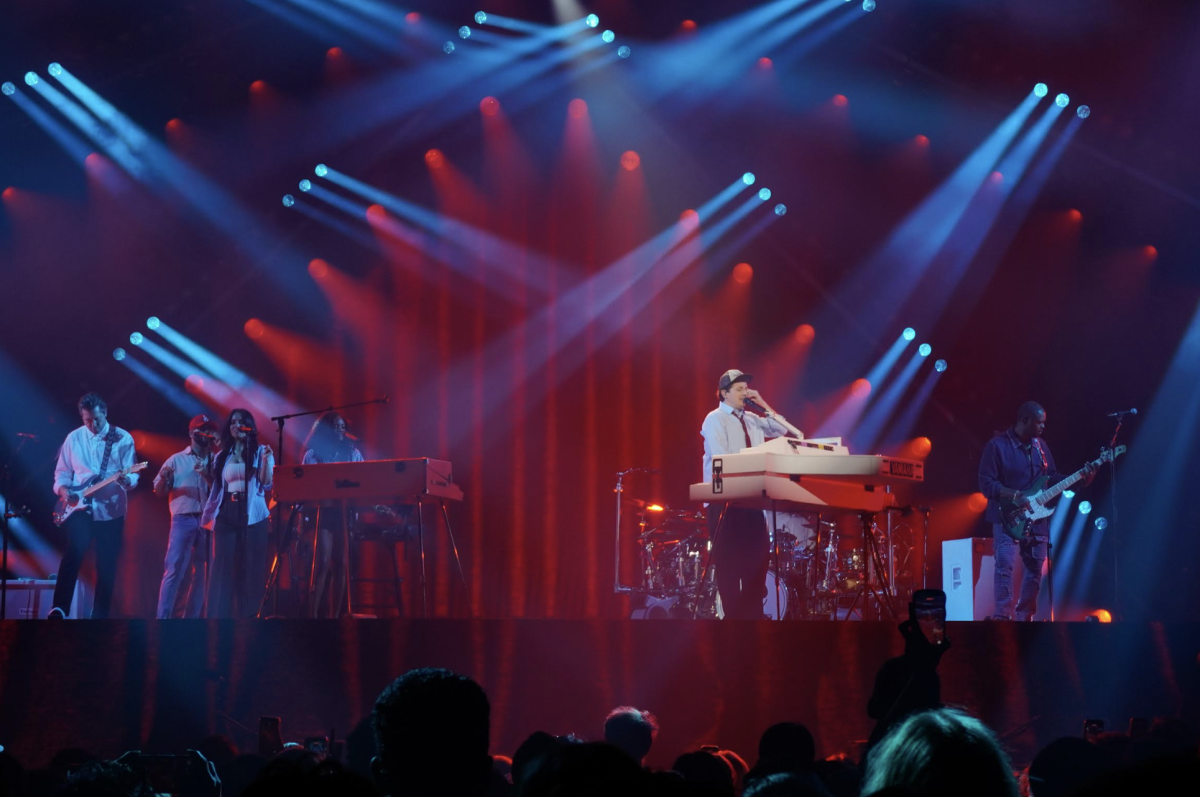
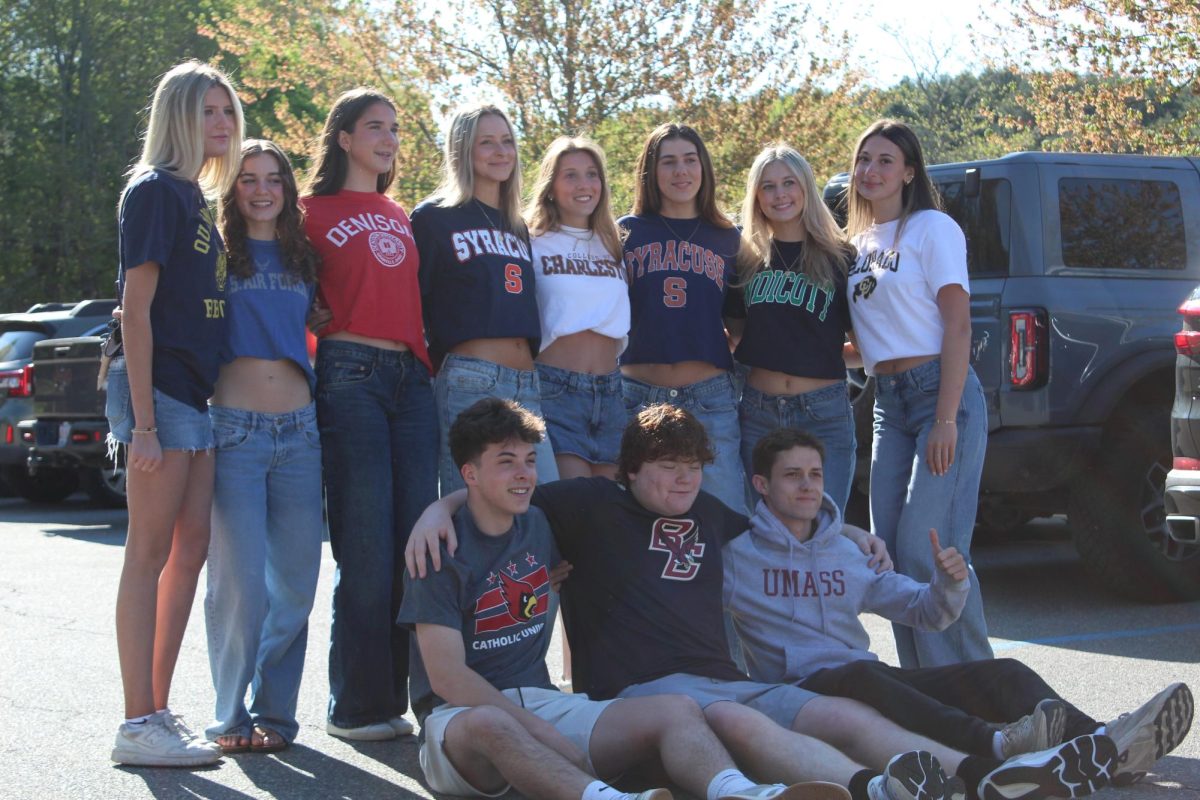
The growth overtime: