
![Wayland Historical Society Executive Director Scarlett Hoey explains the history of the Cochituate Gatehouse.
"The exterior is still a nice monument to remember buildings [involved in] water history," Hoey said. "We all drink lots of water, and it's such an important resource that we kind of take for granted nowadays."](https://waylandstudentpress.com/wp-content/uploads/2026/06/IMG_2024-1200x800.jpg)













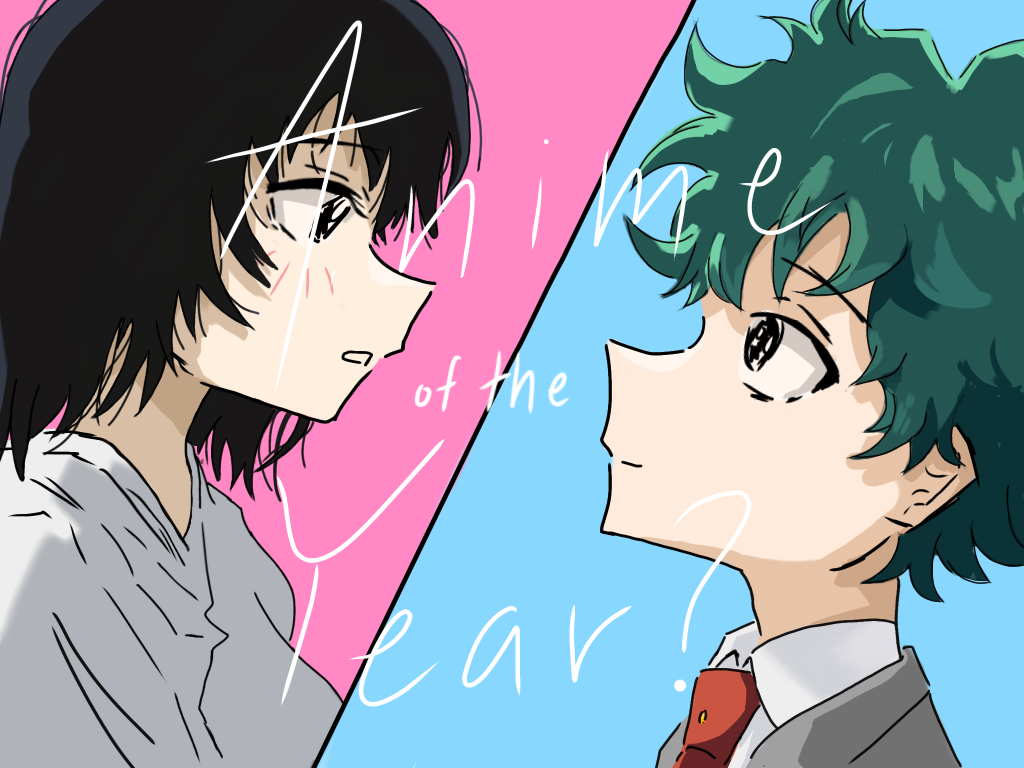
The Anime of the Year award recognizes the most popular anime, not the anime that tells the strongest story. This is especially evident in this year’s winner as compared to the other nominated shows.
Established in 2017, the Crunchyroll Anime Awards celebrate favorite animes across different categories such as Anime of the Year, Best Continuing Series and Best Anime Song. Any anime that premiered between Jan 1, 2025 and Dec 31, 2025 are eligible for this year’s awards, and winners are determined by votes from judges as well as the community.
In the past, the judges’ votes were weighted 70:30 with fan votes to ensure that smaller anime also get a chance to win awards. However, in recent years, the weighting has changed to the fan’s votes being 70% of the total score. While other categories of the award such as Best Director or Best Score oftentimes award the best craftsmanship over popularity as judges have more influence in voting, the Anime of the Year award is still very much a popularity contest rather than recognition of the best storytelling elements.
This year, “My Hero Academia” won, overtaking shows like “The Summer Hikaru Died,” “Takopi’s Original Sin,” “Dan Dan Dan,” “The Apothecary Diaries” and “Gachiakuta.” “Apothecary Diaries” and “Gachiakuta” went on to win other awards, but “Takopi’s Original Sin” didn’t win a single award.
While “My Hero Academia” undoubtedly has a massive fanbase and has made a significant impact on the anime community, “Takopi’s Original Sin” demonstrates more complex characters and a new level of storytelling that displays artistic value.
That’s not to say “My Hero Academia” is a bad anime. It follows Izuku (Deku) Midoriya as he inherits a powerful ability from the world’s greatest hero and trains to become a hero himself. Its popularity is well deserved as its plot and characters are all very well executed. It explores themes of heroism, perseverance and friendship, and it has well-animated fight scenes and strong character arcs throughout.
However, there are many ways that “Takopi’s Original Sin” is better than “My Hero Academia.”
Unlike in “My Hero Academia,” where the cast is clearly split into “good” and “evil,” “Takopi’s Original Sin” is more nuanced. Even though the anime presents itself as a cute and wholesome slice of life anime with a cheerful opening song and a bright and childlike art style, this presentation contrasts with the seriousness of the themes the anime explores and the challenges the characters face.
The anime deals with serious issues such as bullying, neglect, loneliness and trauma, and it depicts these accurately in the characters. Each character is complex and has realistic reactions to the situations that they are in. Even when viewers don’t agree with the actions of a character, they are still able to understand why the character acted the way they did.
The complexity of the characters allows the viewer to empathize more with the characters, as they seem more like actual people. When watching, I became emotionally invested and attached to the characters. This made the happy and tragic moments feel so much stronger, and the emotional impact of the anime comes from the complexity of the characters.
“Takopi’s Original Sin” tells the story of Takopi, an octopus-looking alien who has just landed on Earth. He is oblivious and naive to the dark side of humanity, and only has one mission: to bring happiness to the inhabitants of the planet using his “happy gadgets.” He meets Shizuka Kuze, a girl struggling with bullying and family problems, whom he tries to help. However, his innocence and lack of understanding of human emotions only causes the situation to become worse.
The anime itself is very unique. It not only is the total opposite of the way it presents itself, it also doesn’t follow the general plot and character structure that most anime do. In the beginning, Shizuka is portrayed as a generic protagonist who is bullied at school yet still maintains her morals. Viewers are then led to believe that the story will follow a familiar formula and Shizuka, a kind-hearted protagonist, will overcome her hardships and find happiness. However, as the story progresses, characters continue making choices that are unexpected and unpredictable. Despite this, their reactions rarely seem unrealistic as the viewer is given enough backstory and time to empathize with each character.
No one in this anime is in the “right,” and the children’s behavior ultimately leads back to their parents. Marina, Shizuka and Azuma all have difficult lives at home that contribute to their characters and morals, as well as their behavior throughout the anime. The complexity of characters and the realistic portrayal of serious issues makes “Takopi’s Original Sin” more compelling than “My Hero Academia.”
“Takopi’s Original Sin” is perfectly paced, wasting no time by taking the viewer on an emotional rollercoaster through six short episodes. The scenes are intentional and every element of the anime helps develop the characters and the story. While both “Takopi’s Original Sin” and “My Hero Academia” contain emotional scenes and compelling story arcs, “Takopi’s Original Sin” has better execution and storytelling. In one episode, there are scenes that make you feel satisfied and happy, while a couple minutes later, you could be crying.
In the last episode, Takopi, after going through many different timelines with the other characters, finally comes to understand what the three were feeling. In the end, he is able to form a close connection with each of them, especially Shizuka. Takopi realizes that there is one final way to make everyone happy, which is to sacrifice himself and rewind time back to before the three of them met him.
By the end of the show, I despised Shizuka for beating up Takopi, felt a sense of happiness and satisfaction inside when the two began to bond and cried when Takopi sacrificed himself to make Shizuka, Marina and Azuma happy again. Although there were times where I was moved when watching “My Hero Academia,” I didn’t feel the same emotional impact as I did when watching “Takopi’s Original Sin.”
“My Hero Academia” follows a generic plot structure used by most shounen anime, which are anime targeted for a younger audience. It uses fight scenes and characters who continuously try to get more powerful in order to move the story forward. While these elements are entertaining, they are used quite commonly, so “My Hero Academia” doesn’t stand out. “Takopi’s Original Sin,” on the other hand, achieves more emotional and thematic depth in six episodes than the 170 total episodes in “My Hero Academia.”
Crunchyroll ultimately describes their Anime Awards as a “global event that recognizes the anime shows, characters and artists that fans around the world love most.” However, while popularity is certainly important, the awards should also recognize lesser known anime that still achieve great storytelling, as oftentimes, underrated anime that also have well crafted storylines are overlooked.