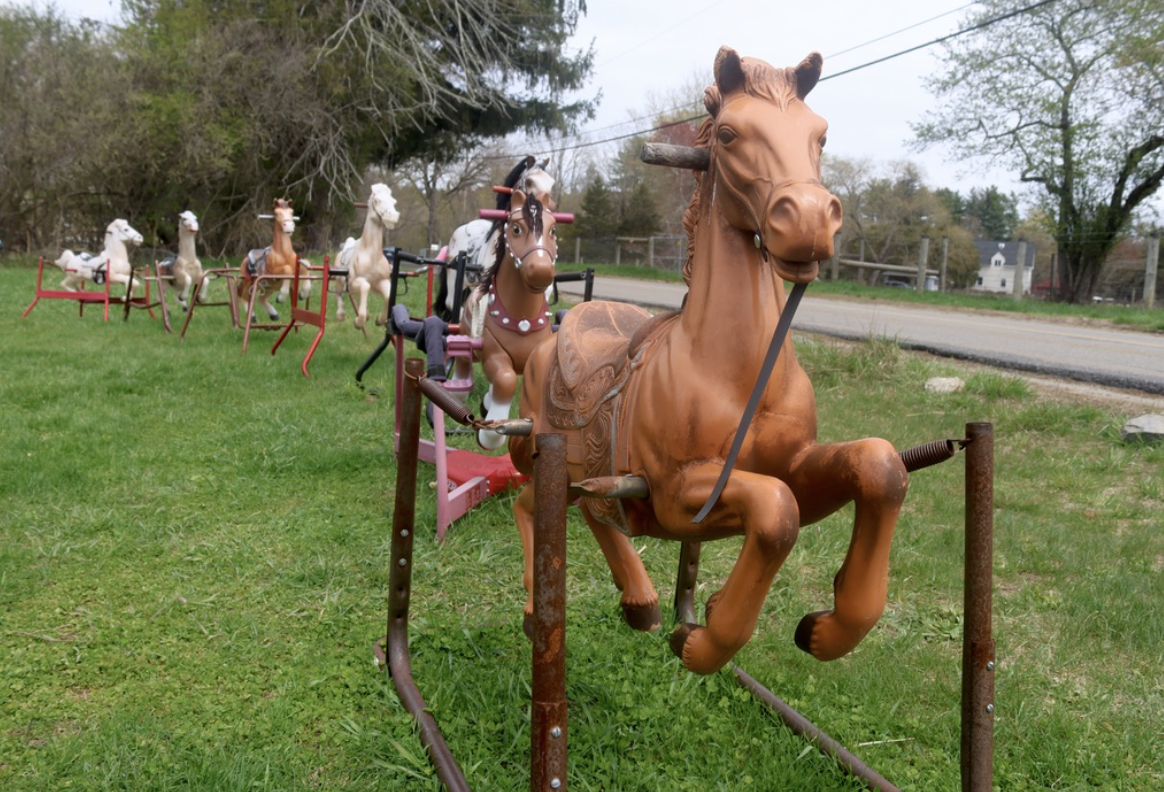

![Wayland Historical Society Executive Director Scarlett Hoey explains the history of the Cochituate Gatehouse.
"The exterior is still a nice monument to remember buildings [involved in] water history," Hoey said. "We all drink lots of water, and it's such an important resource that we kind of take for granted nowadays."](https://waylandstudentpress.com/wp-content/uploads/2026/06/IMG_2024-1200x800.jpg)














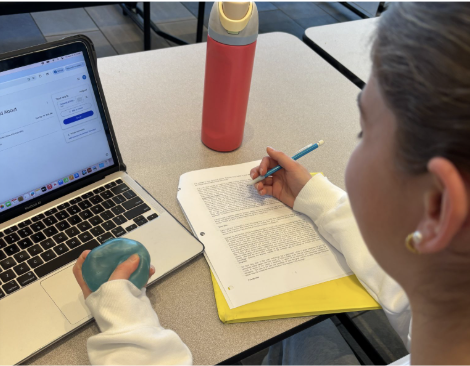
Fidget toys, like NeeDohs, are starting to show up in classrooms again, after sensory fidget toys became popular in 2017. Once a major trend that faded out, these small, stress-relieving tools are making a comeback among students. As more of them reappear on desks and in backpacks, teachers and students are noticing their presence again, and reevaluating how they fit into the classroom today.
Many variations of fidget toys have surfaced, including the viral Mystery Dumpling “Squishies”, which have sold out at major chain stores like Five Below, Walmart and Target.
The hype around this fidget lies in its “blind bag” nature, meaning the consumer has a chance of getting different versions of the dumpling. The Sparkle Dumpling is the rarest, and some creators online buy many packs of these toys in hopes of unboxing it, influencing their viewers to do the same.
These squishies are meant to help with focus, but sometimes they do the opposite, instead creating a source of distraction for students. The impact of social media trends centered in finding rare fidget toys can cause some teens to shift their focus away from using sensory fidget toys as a tool, and instead see them as devices in a contest of who has the newest, most rare one.
“It became more of an ‘I wanna feel your squishy’ or ‘I wanna grab yours’ and ‘I wanna toss it across the class a little bit’,” math teacher Mary Murphy said, after she banned them in her classroom. “It got to the point of a distraction where I said no more.”
There is a fine line between a tool and a toy for this type of object, so how can it be known when students actually benefit versus when students are feeding into trends that take away from their focus?
“I don’t think [fidget toys are] being used appropriately for multitasking if you need it,” biology teacher Dalia Dinno said. “It’s more of a ‘who’s got the cuter one’.”
The idea that fidget toys could be misused causes questions to arise over how effective they are for stress management, and whether or not or are they being used as simply a distraction.
Additionally, there is room for misuse of these devices, with some classmates using these fidgets inappropriately by throwing them around the classroom or passing among peers for shared use.
“If it was something that’s easily thrown around, like a ball, forget it,” Dinno said. “I would not do anything that’s ball shaped, because then an instinct is to throw it to somebody.”
The school also brought in fidget “Pop It” bracelets for every student that wanted one as a way to bring students together following jamele adams’ presentation at the high school. It was meant to be a fun way to stay connected, but, according to teachers, it ended with these toys being cut up and thrown around during classes, along with some students turning them into weapons and hitting other classmates with them.
“[The Pop It bracelets] were a huge distraction because everyone got them,” Dinno said. “It wasn’t just your own personal thing.”
However, the flip side is that these squishies can, if used appropriately, provide helpful focusing strategies for some students. These toys have been used throughout the years as a way of stress relief and to help kids and teens with their focus during class. Kids with disorders like ADHD, ADD or ASD benefit the most from fidgets toys because most fidgets provide quiet, low distraction and tactile resistance. Tactile resistance is a condition where a person is overly sensitive to touch and doesn’t like certain textures or light touches that most people find harmless.
“I think they can be helpful,” Murphy said. “I’m not against squishies altogether, I think they can be good for fidgeting if it’s just in the right environment.”
In the right space, fidgets can provide a helpful focusing strategy. For some students, like freshman Sasha Krochmal, these squishies can be helpful in day to day classroom experiences.
“It keeps something in my hand so I have something to keep me occupied,” Krochmal said.
Because some students use the fidgets as a toy instead of a focusing tool, it can be difficult to determine whether or not they should be allowed in classrooms. It can be a struggle for teachers to direct their classes in the presence of fidget toys, seeing as they sometimes can help with focus and other times distract. That being said, some teachers want to make sure students who need fidget toys to focus continue to have this resource available.
“I see the difference in them using squishies, or a toy, to help stay focused in an activity,” Dinno said. “I will not deny it, and that’s why I will never say ‘no squishies’.”