

![Wayland Historical Society Executive Director Scarlett Hoey explains the history of the Cochituate Gatehouse.
"The exterior is still a nice monument to remember buildings [involved in] water history," Hoey said. "We all drink lots of water, and it's such an important resource that we kind of take for granted nowadays."](https://waylandstudentpress.com/wp-content/uploads/2026/06/IMG_2024-1200x800.jpg)

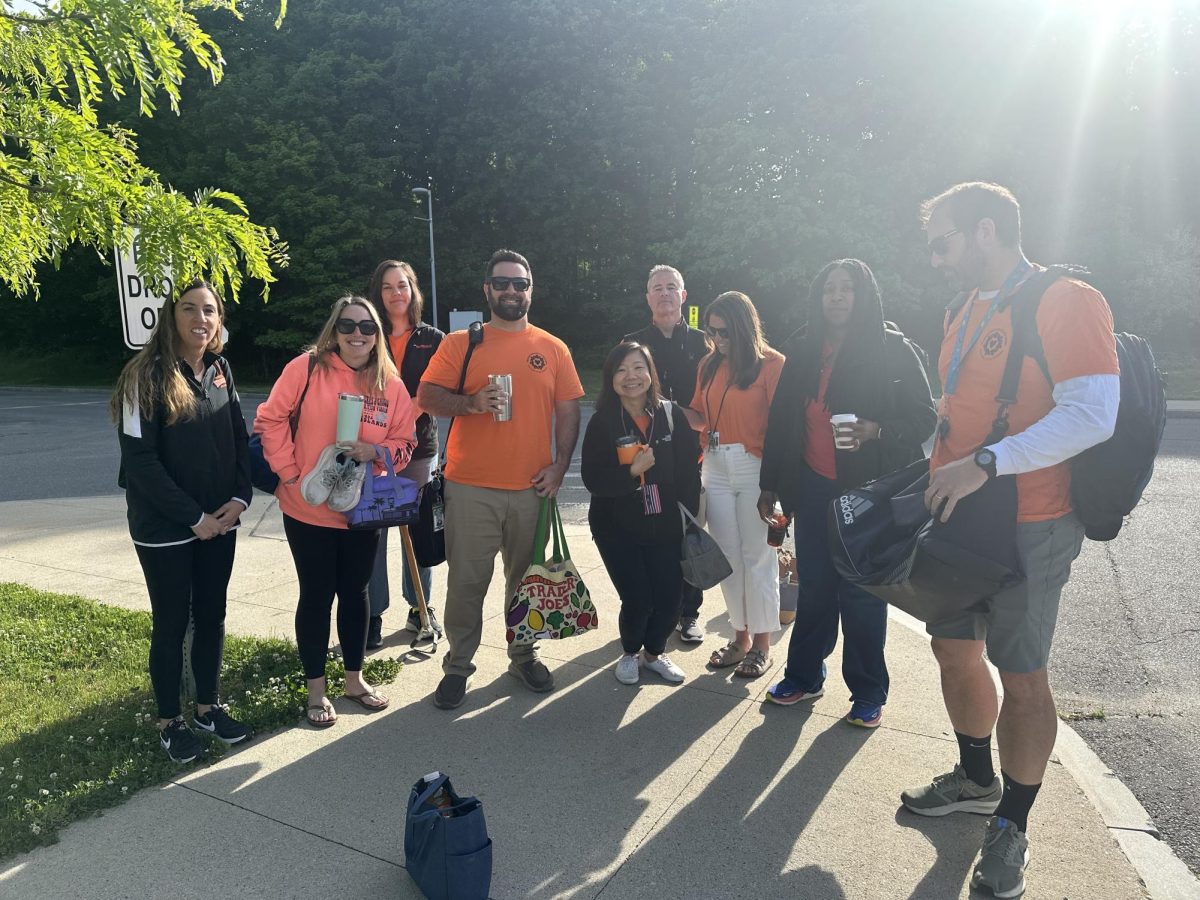














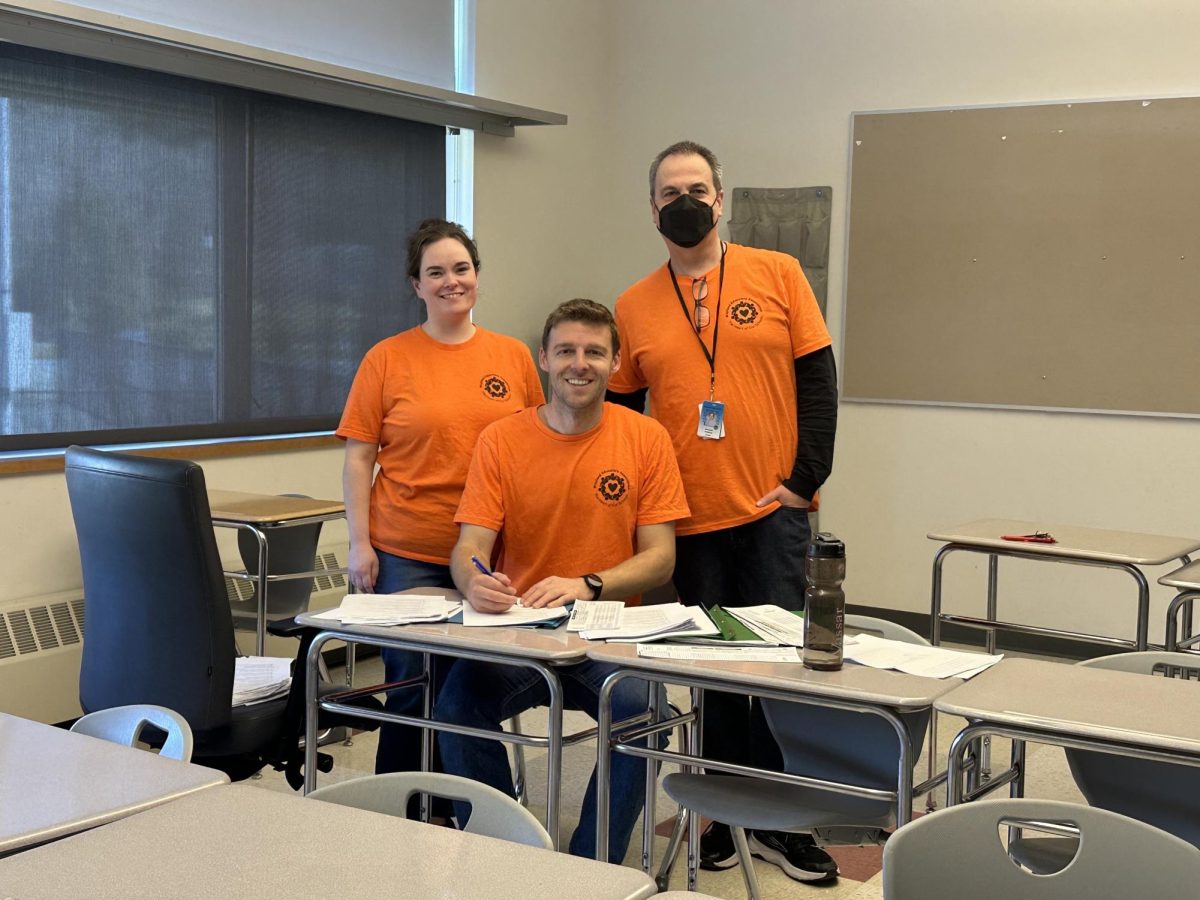
For the past couple of Wednesdays at Wayland High School, teachers have been seen wearing orange t-shirts representing the Wayland Education Association (WEA) in support of their contract negotiations. Every three years, WHS teachers negotiate their contracts. This year is a negotiating year.
The WEA has three more negotiating sessions, continuing its meetings with Superintendent David Fleishman and the School Committee. The Annual Town Meeting is will occur on May 5 and 6, where the school budget will be voted on.
The teachers’ contracts include negotiations over salaries to compensate for the cost-of-living adjustment (COLA). According to Mass Pension, Massachusetts’ cost of living has increased this year.
“The idea that we have a signed contract means that we can focus 100% of our attention on teaching our students, which is what we care about most,” MTA building representative Kelsey Pitcairn said. “Knowing [the contract] is set and stable sort of frees us from anxiety. It also helps us to believe that the community in which we are teaching values what we are doing, and that is a huge emotional boost as well.”
According to Chair of Contract negotiator Chalrene Bishop, 45% of teachers also work a second job.
“Our teaching assistants [are] negotiating for a new contract as well, and they are significantly underpaid right now,” Bishop said. “The district recognizes that, [and] are working to try to help [teaching assistants], because right now their hourly wages are pretty low.”
John Berry, WHS Wellness teacher and MTA Building Representative, worked three jobs when he first started teaching at Wayland’s elementary school, Happy Hollow.
“A lot of teachers do have to supplement [in] that case,” Berry said. “Especially living in this part of the state where everything is so much more expensive.”
Massachusetts has the second highest cost of living, behind Hawaii, with towns in Eastern Massachusetts being some of the most expensive in the state.
Last year the Wayland Educational Secretaries Association (WESA), the teaching assistants’ and secretaries’ union, and the Wayland Teachers Association (WTA) merged to become the WEA with two units so that they could share resources. Unit A includes teachers, and unit B includes secretaries and teacher assistants.
Wayland Public Schools (WPS) teachers, the School Committee and Superintendent David Fleishman sit in on negotiation meetings while Berry and Bishop negotiate the contract. As MTA building representatives, Pitcairn and Berry gather information from WEA members during negotiations on preferences for changes in the contract and communicate information on negotiations to the teachers.
This is the first year of open negotiations meaning any WEA member or community member can register to sit it on negotiating meetings. Whereas in previous years the only people who negotiated the contracts included teachers, the school committee and the superintendent.
“[Open negotiations] also allows both parties to get more in-the-moment feedback about the conversations that they’re having,” Pitcairn said. “Because in a negotiation session, either party can call a caucus, which means they pause the conversation [and] the other party leaves the room. [If] the union called the caucus, the school committee will leave the room.”
According to Bishop, a request from the district was for elementary teachers to work an extra 90 minutes a day.
“If you extend this teacher day, we have members that have childcare issues and that will cost them money,” Bishop said.
In addition to teaching in school, teachers have duties outside contract hours, including writing recommendation letters and grading.
“As a staff, I should say we have some non-teaching members of our union as well,” Pitcairn said. “I think it’s very important to note that the color that we chose to wear is Wayland’s color because we don’t want to position ourselves as antagonists to our community, to provide value and service to our community.”